Song Meaning
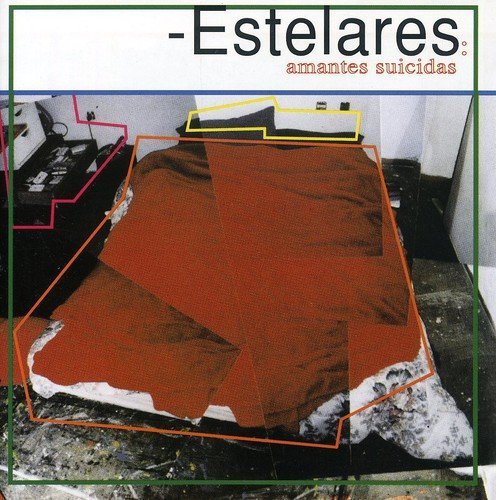
The narrator claims ownership of the horizon, a vast, unattainable expanse, immediately undercut by the casual observation that it's printed on someone else's t-shirt. This sets up a tension between aspirational desire and the mundane reality of its perceived possession by others. The imagery shifts abruptly to a knife's edge, hinting at danger and a precarious present, a stark contrast to a past where they 'used to burn our heads,' suggesting reckless abandon or intense shared experiences. The waiting feels prolonged, stretching beyond expectation, and the descent is framed as a process of catharsis, 'burning away sorrows' until the very end.
The core conflict seems to be a struggle with self-perception and the passage of time, amplified by a history of extreme duality. The lyrics paint a picture of a past self that was both intensely passionate and self-destructive ('good lovers, sometimes suicidal'), capable of great feats ('good warriors,' 'great aviators') yet grounded ('close to the ground'), reaching for the sublime ('touched the sky a thousand times'). This oscillation between soaring ambition and deep despair, between connection and isolation, defines the narrator's internal landscape. The repeated questions, 'If I go so blind, then how blind am I? / If I go so crazy, then how crazy am I?', underscore a profound uncertainty about their own state of mind and the extent of their self-inflicted limitations, suggesting this isn't a fleeting moment but a persistent condition.
The most striking craft element is the series of parallel, almost rhetorical questions that build in intensity, emphasizing a recursive loop of self-inquiry. The structure 'Si voy tan X, pues cuan X voy' (If I go so X, then how X am I) creates a sense of inescapable introspection. This isn't about finding answers but about acknowledging the depth of the condition. The juxtaposition of past glories—lovers, warriors, aviators—with the present feeling of falling and burning sorrows highlights a profound sense of loss and a desperate attempt to find meaning or release in the present, even if it means embracing a destructive path. The phrase 'No es sólo hoy' (It's not just today) solidifies this as an ongoing, deep-seated struggle rather than a temporary setback.
 View Artist