Song Meaning
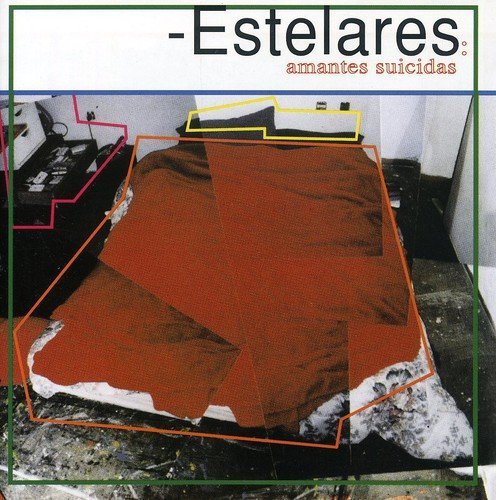
The lyrics paint a stark picture of a relationship fractured, physically and emotionally separated by 'camas separadas' – separate beds, right down the middle. The dominant tone is one of exhaustion and quiet despair, a nightly ritual of 'recuerdos sin paz' (memories without peace) that offers no solace. The repetition of 'camas separadas' hammers home the central image of division, a constant, unyielding barrier.
The core tension arises from the inability to bridge the gap, even when the desire to connect is present. The narrator states, 'Caemos a un gran abismo' (We fall into a great abyss) when they try to get closer, suggesting a deep-seated incompatibility or a history of hurt that makes reconciliation impossible. This is contrasted with the past, where the very things that once brought peace now seem to contribute to their current pain, as 'los jilgueros callan nuestra canción' (the goldfinches silence our song).
The most striking aspect is the narrator's struggle with memory and perception, particularly the line 'Se me hace ver tu cara en el espejo / Que yo no rompí, ni vos tampoco' (It becomes so difficult for me to see your face in the mirror / That I didn't break, nor did you). This suggests a shared responsibility for the damage, yet a profound disconnect where even seeing each other is a painful, distorted reflection. The phrase 'Él no sabe olvidar' (He doesn't know how to forget) is repeated, hinting at a specific, lingering grievance that prevents healing for one or both partners.
Ultimately, the lyrics resonate because they capture the quiet agony of a love that has fundamentally broken down, not through a single dramatic event, but through a slow erosion of connection. The physical separation of beds becomes a potent metaphor for the emotional chasm, a space filled with unspoken resentments and the heavy weight of a past that refuses to fade, leaving only 'enorme y creciente decepción' (enormous and growing disappointment).
 View Artist