Song Meaning
The lyrics paint a stark picture of a "world turned monochrome," where past vibrancy has faded into a desolate present. Prayers go "unreachable," and conflict seems to perpetually resurface. Yet, amidst this bleakness, a fragile "light holding its breath" hints at an enduring, quiet hope.
A core tension emerges between profound loss and persistent resilience. The narrator laments "those days we loved" and "that world we loved" having "changed beyond recognition." This sense of irreversible transformation is starkly contrasted with images of life stubbornly pushing through, like "life budding in rubble" in a deserted city. The emotional weight comes from acknowledging immense destruction while refusing to surrender to despair.
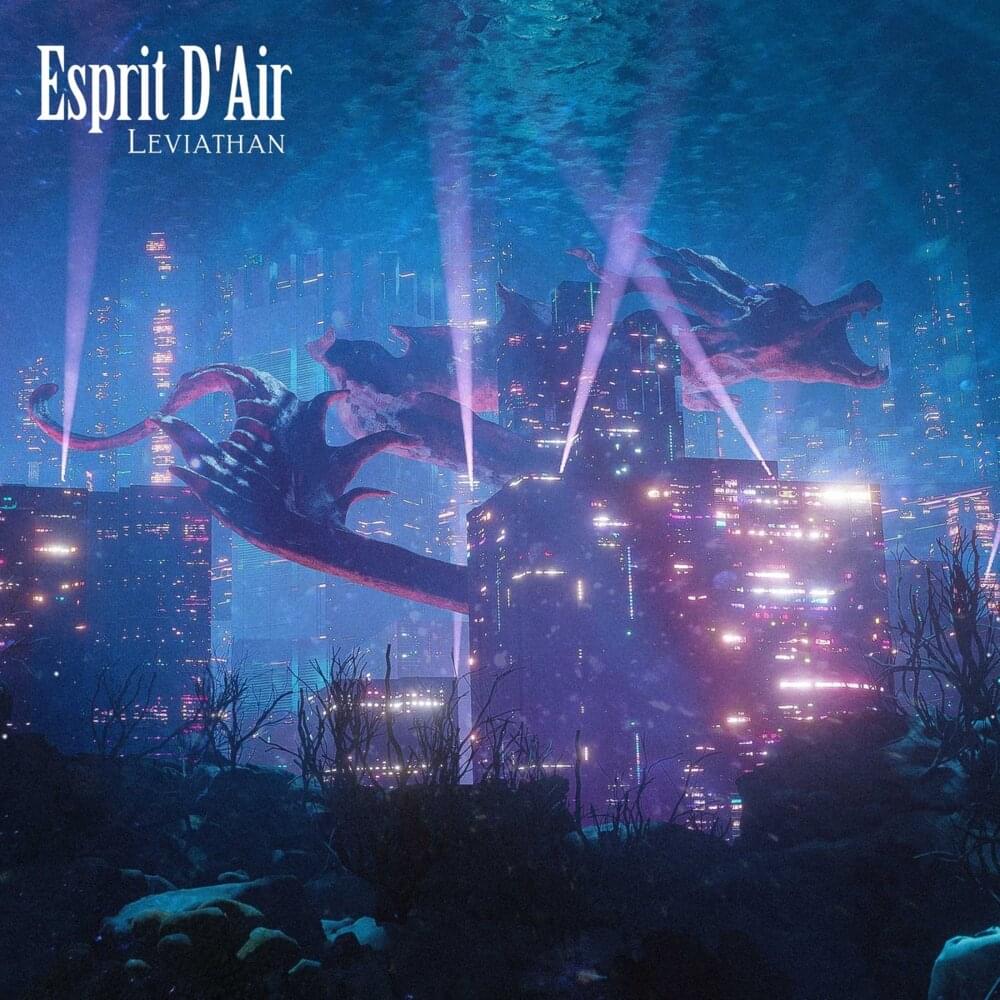
The enigmatic presence of "Leviathan" is particularly striking. Juxtaposed with the declaration that "light exists" even after everything has "changed beyond recognition," the term suggests an overwhelming, perhaps ancient force of chaos or transformation. It anchors the scale of the world's suffering, yet the lyrics immediately pivot, asserting that hope, like a persistent "dawn," remains or is even "here." This shift from "still waiting" to "is here" for the dawn marks a crucial turning point, suggesting a move from passive longing to a present reality of hope. This powerful contrast highlights the enduring nature of hope against monumental odds.
These lyrics resonate by not shying away from devastation but instead finding profound strength within it. The vivid imagery, from the faded "monochrome world" to the vibrant "dazzling season," creates a powerful emotional arc. The repeated assertion that "light exists" and the eventual promise of meeting "in a new place" and being "reborn" offer a deeply moving message of renewal. It suggests that even after cataclysmic change, the cycle of life and hope continues, finding new forms and new beginnings. This nuanced perspective makes the emotional impact particularly potent.
 View Artist