Song Meaning
This song opens with a direct address, calling out to "Ramče" and "Arzije," establishing a scene of young people. The repetition of "terneja," "Å¡uzeja," and "ternije," "Å¡uzije" creates a rhythmic, almost chant-like quality, suggesting a youthful, perhaps carefree or even slightly wild energy. The focus on "šunda čhaje Arzije" (beautiful girl Arzije) hints at early romantic or admiring attention.
The chorus shifts to a declaration of intent: "Ke perav ka uštav, armanja ka dav" (I will speak as I am, my love I will give). This is followed by "Baši tute čhaveja ka merav" (For you, Ramče, I will die/be amazed). The intensity of "ka merav" suggests a profound emotional commitment, possibly a youthful infatuation so strong it feels like life or death. The speaker is offering their whole self, their love, and is willing to go to extremes for Ramče.
The second verse introduces a different dynamic, with questions directed at "dade" (father) and "babi" (grandmother): "so kerdžan" (what have you done?). The narrator states, "Man cikni tu dendžan" (You made me small/young) and "Tu man cikni tu dzendžan" (You made me small/young). This suggests a feeling of being infantilized or perhaps protected to the point of being held back by elders. The contrast between the youthful exuberance of the chorus and the elders' perceived actions creates a subtle tension.
The lyrics effectively capture the overwhelming nature of young love and the desire for self-expression. The repetition in the verses and chorus builds a hypnotic effect, drawing the listener into the speaker's intense emotional state. The direct address and the plea to the elders highlight a common coming-of-age theme: the struggle for independence and the powerful pull of first love, all conveyed through simple, evocative language.
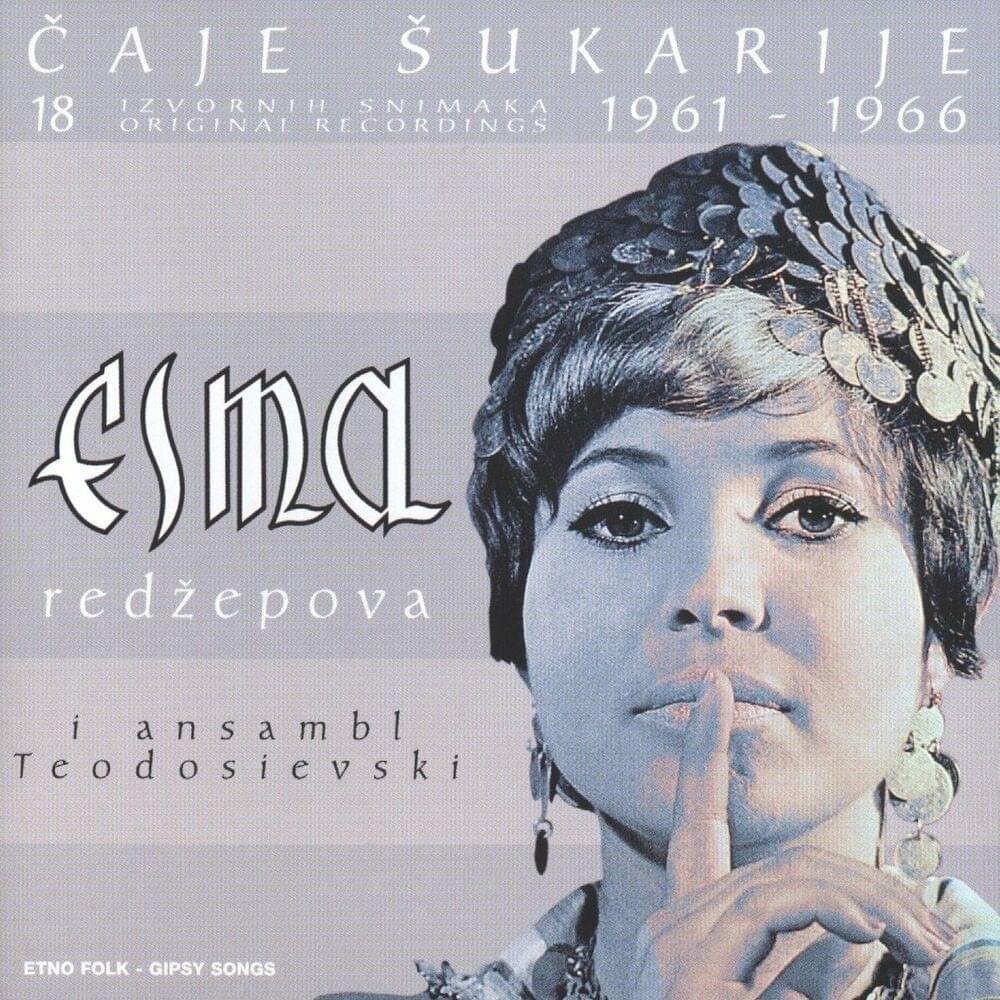
 View Artist