Song Meaning
The lyrics paint a visceral picture of decay and disillusionment, opening with a barrage of grotesque, almost alchemical imagery: "Cerebro de mono, tripa de sapo." This unsettling collection of disparate, unpleasant elements immediately sets a tone of corruption and things gone wrong, a stark contrast to any notion of a bright future. The repeated question, "¿Dónde está el porvenir?" (Where is the future?), anchors the song in a profound sense of loss and bewilderment.
The central tension arises from the stark contrast between the idealized future envisioned and created by previous generations ("nuestros viejos") and the grim reality the narrator inhabits. The lyrics repeatedly ask where this promised future has gone, only to offer a bitter, expletive-laden alternative: "esta mierda en que vivimos" (this shit we live in) or "esta puta mierda en la cual vivimos" (this fucking shit we live in). This direct confrontation with a degraded present, juxtaposed against a lost past ideal, fuels the song's emotional core.
The song's power lies in its unflinching, almost surreal imagery and its relentless, questioning refrain. The second verse continues the pattern of unsettling combinations, like "Regla de monja, semen de gato," further emphasizing a world where sacred and profane, natural and unnatural, are grotesquely mixed. The phrase "Flores de años, camas de asfalto" offers a poignant image of beauty (flowers) decaying over time and becoming embedded in the harshness of urban life (asphalt beds), suggesting that even remnants of the past are corrupted or rendered inert.
Ultimately, the lyrics resonate because they articulate a deep-seated frustration with a broken promise. The narrator is not just lamenting a lost future but is actively confronting the squalor and corruption that has replaced it. The raw, almost guttural language and the insistent, cyclical questioning create a powerful expression of existential despair and anger, making the listener feel the weight of a future that never arrived and the harshness of the present that stands in its place.
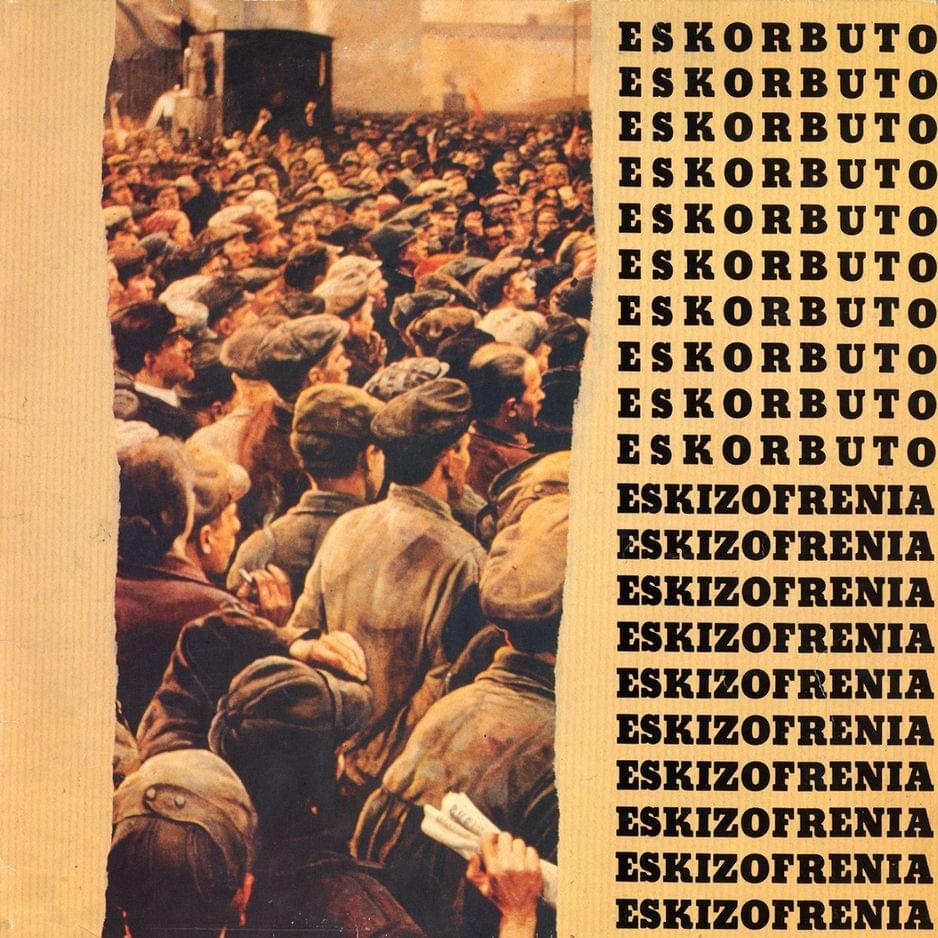
 View Artist