Song Meaning
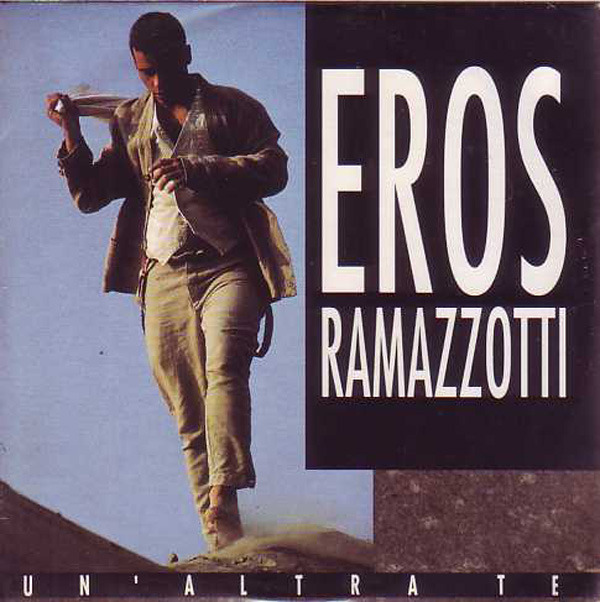
Eros Ramazzotti's "Wasted" isn't a simple lament; it's a raw, almost desperate, excavation of lingering attachment. The song circles the central, agonizing question: "Un'altra te, Dove la trovo io?"—Where do I find another you?"—immediately establishing a sense of irreplaceable loss. But it's not just about missing a person; it's about the specific, almost mundane details that have become inextricably linked to the singer's identity. He yearns for "gli stessi tuoi discorsi, Quelle tue espressioni"—the same conversations, those expressions—revealing how deeply intertwined their lives were, to the point where her mannerisms are now a void in his own existence. This isn't idealized love; it's the recognition of a codependent connection, where even her jealousy ("la tua gelosia") is missed, because it was a familiar, albeit flawed, form of attention.
The repetition of "Un'altra come te, Ma nemmeno se la invento c'è"—Another like you, but even if I invented her, she wouldn't exist—underscores the uniqueness of the lost connection, but also hints at a self-awareness of the singer's own role in creating this specific dynamic. The admission "Sono ancora impantanato con te"—I'm still bogged down with you—speaks to the inertia of emotional entanglement, a state where moving on feels impossible because the past relationship has become a psychic quicksand. He is unable to separate from the image of her he holds in his mind.
The most poignant lines revolve around his missing eyes: "E mi mancano i miei occhi che sono Rimasti li dove io li avevo appoggiati Quindi su di te"—And I miss my eyes that are Left there where I had placed them So on you. This is a powerful metaphor for the way relationships can consume our sense of self. He feels as though a part of his very being is still attached to her, unable to fully return to him. He's lost not just a partner, but a piece of his own perception, suggesting a profound identity crisis fueled by the absence. The song doesn't offer resolution, only the stark, unsettling realization that some connections leave an indelible mark, altering the landscape of the self long after they've ended.
 View Artist