Song Meaning
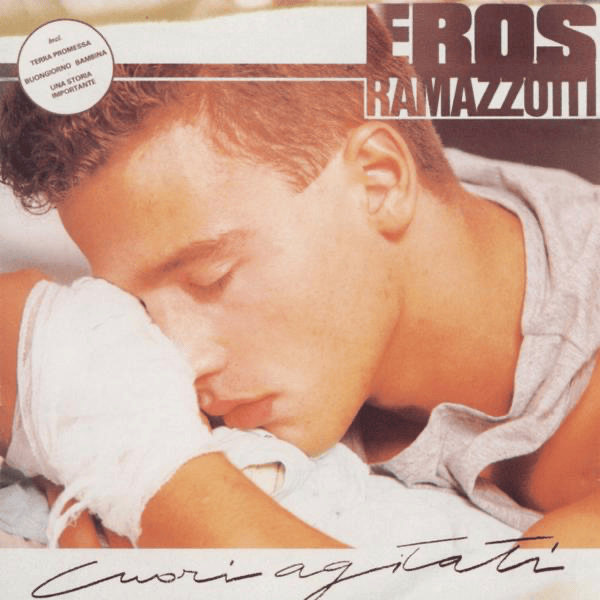
Eros Ramazzotti's "Cuori Agitati" isn't just a catchy Italian pop song; it's a snapshot of youthful restlessness and disillusionment. The lyrics, even for those who don't speak Italian, throb with a yearning that transcends language. Ramazzotti paints a picture of a generation suffocating under the weight of empty promises and societal inertia. The opening lines speak to a collective dissatisfaction: "Everything we've already heard / Is not enough for us anymore." This isn't mere teenage angst; it's a deeper critique of a world where words ring hollow and action is absent. The daily grind of school and the urban landscape further amplify this feeling of being trapped. The song meaning resides in this tension between youthful idealism and the perceived stagnation of the adult world.
The chorus of "Cuori Agitati" – "Agitated hearts from the wind" – becomes an anthem for this displaced generation. The wind, a symbol of change and unpredictability, throws these hearts into disarray. They're disoriented, fueled by an inner anxiety that pushes them to the edge. Crucially, amidst this turmoil, Ramazzotti offers a glimmer of hope. Despite their agitation, these hearts are "ready to say yes / To those who ask for a hand / To those who feel this way." The song suggests a shared sense of unease can be a powerful catalyst for empathy and solidarity.
However, the second verse reveals a darker undercurrent. The desire for "space to move forward" and a demand for "honesty" highlight a growing frustration. The repetition of "agitated hearts" in the chorus is punctuated by the line "a little angry because / In this immobile time / Everyone thinks for themselves." This injects a dose of cynicism into the song's message. The song's lyrics analysis reveals a nuanced portrait: these agitated hearts are not simply lost; they're becoming aware of the forces working against them, and that awareness breeds both anger and a renewed commitment to collective action. "Cuori Agitati" is, therefore, a powerful expression of youthful discontent tempered by a persistent belief in human connection.
 View Artist