Song Meaning
This song paints a stark portrait of someone hardened by relentless hardship. The narrator implores listeners not to judge her outward bitterness, suggesting her abrasive demeanor is a shield forged by experience. It’s a plea for empathy, framing her current state not as a choice, but as a consequence of a difficult past. The core message is that her personality has been shaped by external forces, making her current disposition an understandable reaction to suffering.
The central tension lies in the contrast between the woman's perceived coldness and the narrator's intimate knowledge of her pain. The repeated phrase, "life turned her that way," acts as a refrain of explanation and a defense against judgment. This highlights a profound disconnect: others see a bitter person, but the narrator sees a victim of circumstance. The lyrics suggest a deep-seated sorrow that predates the narrator's involvement, but also acknowledges his own contribution to her ongoing pain.
The most striking lyrical device is the recurring image of being "stepped on and walked on." This visceral metaphor powerfully conveys a sense of being dehumanized and trampled by life's adversities. The narrator's confession, "that last footprint's mine," is a moment of raw vulnerability and regret, admitting his role in her suffering. This personal admission deepens the emotional weight, transforming the song from a general observation into a specific, painful confession that directly impacts the woman's hardened state.
Ultimately, the effectiveness of these lyrics stems from their directness and the narrator's unflinching honesty. By focusing on the external pressures that shape the individual and admitting personal culpability, the song elicits a complex emotional response. It’s a raw, unvarnished look at how pain can alter a person and the difficulty of confronting one's own part in that transformation. The repeated plea to "not blame her" resonates because it’s backed by a clear, albeit painful, narrative of suffering and regret.
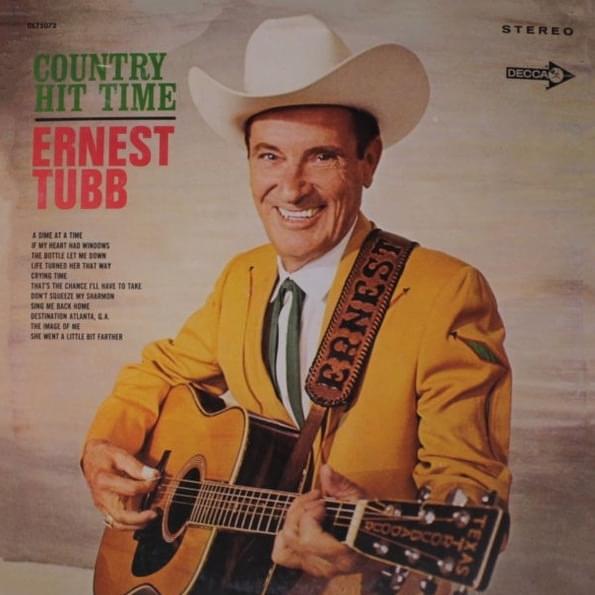
 View Artist