Song Meaning
This track paints a stark picture of inescapable emotional suffering, directly linking loneliness to a specific, predetermined sorrow. The opening lines establish a cyclical, almost fated, connection between a "lonely heart" and its "troubled mind," suggesting these states are intrinsically bound. The imagery of a "sad tomorrow" growing where "love that's blind" once glowed underscores a profound sense of disillusionment and inevitable heartbreak. The descending shadows and rain-like teardrops amplify this feeling of overwhelming despair, making the "lonely pain" feel like a constant companion.
The core tension arises from the narrator's direct address to a "dear" individual, revealing a complex mix of empathy and a grim sense of vindication. The narrator wishes this person would never experience the narrator's own past suffering, yet the second verse confirms that the "dear" has indeed fallen prey to similar "heartaches." This creates a poignant, almost bitter, moment where the narrator's own "lonely pain" is validated through the other's experience, a shared misery that offers no comfort, only confirmation.
The most striking aspect of the craft here is the relentless repetition of the phrase "A lonely heart knows." This isn't just a refrain; it's an assertion of a universal, albeit bleak, truth within the song's world. The lyrics also employ a powerful contrast between the initial state of "love that's blind" and the subsequent "lonely pain," highlighting how naive optimism directly leads to profound suffering. The transformation of unresolved issues into "silver" and the desire to "re-weld" suggest a flawed attempt at healing or moving on, which ultimately fails to prevent the recurrence of pain.
Ultimately, the effectiveness of these lyrics lies in their unflinching portrayal of a specific kind of suffering that feels both personal and universally understood in its cyclical nature. The direct address and the narrator's complex reaction to the other's pain elevate it beyond simple lament. It's the grim recognition, the shared "lonely pain," that resonates, suggesting that some hearts are simply destined to know this particular sorrow.
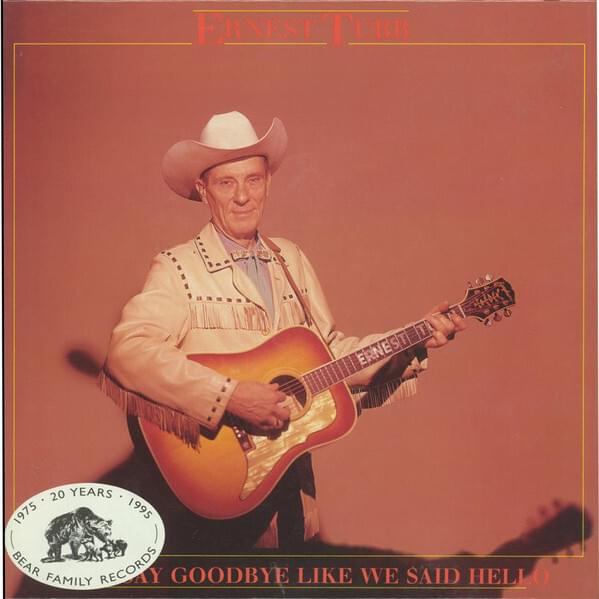
 View Artist