Song Meaning
The lyrics paint a stark contrast between the harsh realities of the outside world and the sheltered comfort of a child's sleep. The opening lines immediately establish a somber mood, with the "herons crying" amidst "rain and sleet" and their ceaseless flight, suggesting a relentless, weary struggle. This external hardship is directly juxtaposed with the plea to "warm in your coverlet nestle / Wee Bird," urging the child to remain oblivious to the "wild wings that wrestle / In the night and the rain and the grey."
The central tension lies in this protective impulse versus the inevitable intrusion of the world, even into dreams. While the child is encouraged to build a "house on the hill of your dreams" with "magical meadows," the final stanza reveals a disturbing shift. The child "stir[s] in your sleep and you murmur / As though the wild rain and the grey / Wet hills" have already begun to invade their subconscious, driving dreams away.
The most striking craft element is the persistent imagery of flight and weather, used to represent both freedom and peril. The herons' endless flying signifies a tiring, unceasing battle, a fate the lullaby aims to shield the child from. Yet, the very elements of this struggle – the "wild rain and the grey" – are depicted as capable of penetrating the sanctuary of sleep, blurring the lines between the protected inner world and the harsh outer one.
This lyrical construction is effective because it taps into a primal parental fear: the inability to fully shield a child from life's difficulties. The lullaby's gentle tone is undercut by the creeping dread that the outside world's harshness is already seeping into the child's subconscious, making the protective embrace feel fragile and perhaps ultimately futile.
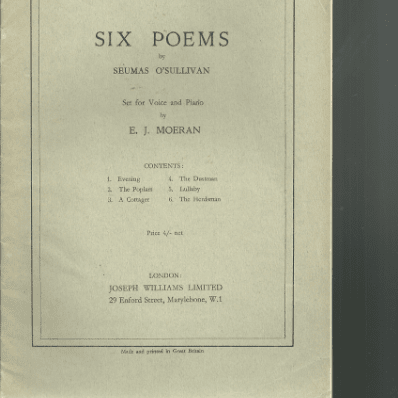
 View Artist