Song Meaning
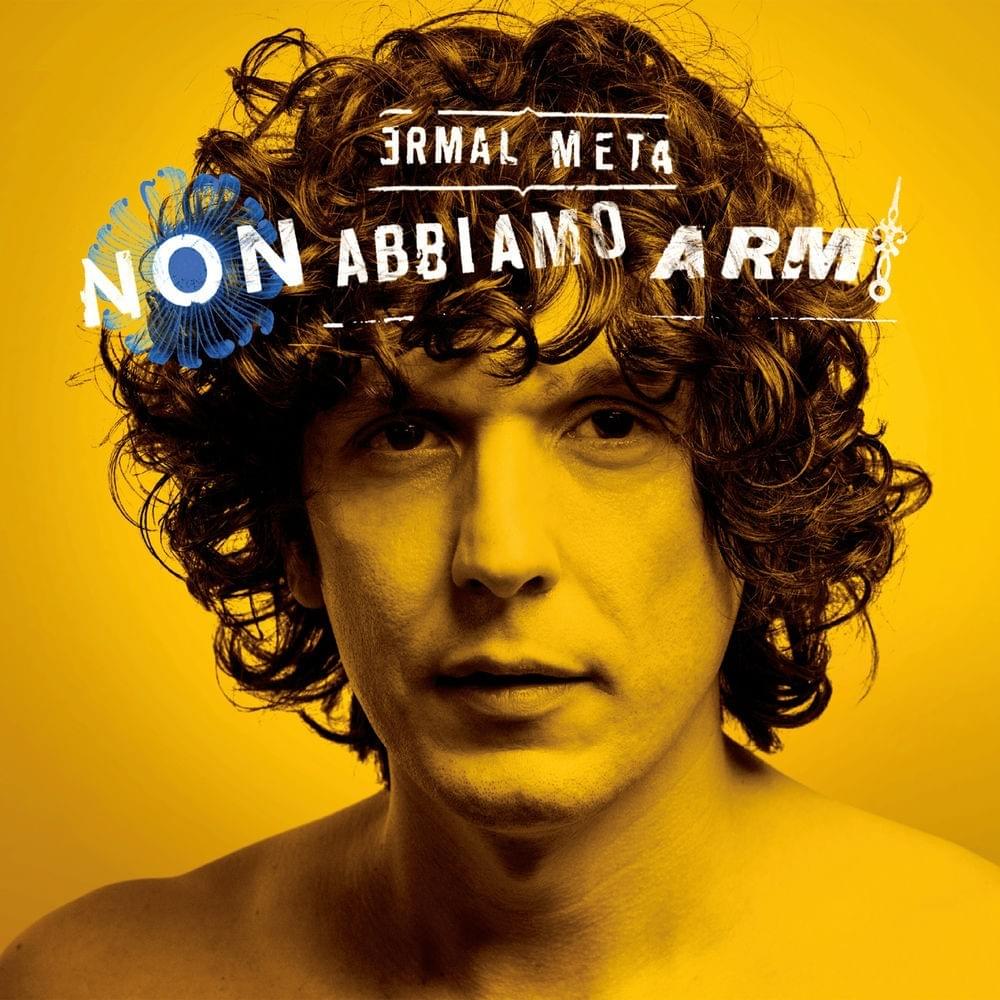
Ermal Meta's "Non abbiamo armi" resonates with a quiet urgency, a stark acknowledgement of human powerlessness against the relentless march of time and inevitable change. The core message hinges on our shared vulnerability. Meta isn't offering naive platitudes; instead, he's dissecting the human condition with a clear-eyed understanding of our limitations. The lyrics paint a picture of time as an unstoppable force, an "esercito dei suoi miliardi di secondi," indifferent to our fleeting lives and loves. Rain falls on rooftops and unstarted romances, a poignant reminder of opportunities missed and connections never fully realized. In this landscape of impermanence, the solace lies not in grand gestures, but in the simple act of embracing another human being. The repetition of "Non abbiamo armi contro il cambiamento" underscores this central theme, a stark contrast to the protective embrace offered as a countermeasure. The song's meaning revolves around finding strength in human connection amidst inevitable change. It suggests that vulnerability, rather than being a weakness, is the very foundation of our resilience.
The second verse delves deeper into the psychological weight of absence and unfulfilled desires. "Spazio che volevi ma non hai considerato che / Il vuoto è il più pesante fra tutti i pesi" speaks to the human tendency to romanticize what we lack, often overlooking the burden of emptiness. It's a subtle yet powerful commentary on the nature of longing and the illusion of happiness found in external validation. The bridge offers a glimmer of hope, suggesting that even our deepest wounds serve a purpose, shaping the very smiles we wear. This isn't a denial of pain, but rather an acknowledgement of its transformative power, a subtle nod to post-traumatic growth.
Ultimately, "Non abbiamo armi" is a meditation on human connection in the face of existential uncertainty. The repeated plea for an endless embrace, "Tu abbracciami senza fine," isn't just a romantic gesture; it's a primal cry for connection in a world that constantly threatens to tear us apart. The final lines, "Non abbiamo armi / Per difenderci dagli altri / Non abbiamo armi / Ma abbiamo queste mani / Che servono da scudi," offer a powerful image of human hands as shields, not weapons. It's a call for empathy and solidarity, a reminder that our shared humanity is our greatest defense against the forces that seek to divide and conquer. Meta’s lyrics analysis reveals a depth of understanding of the human psyche, making the song a moving exploration of love, loss, and the enduring power of human connection.
 View Artist