Song Meaning
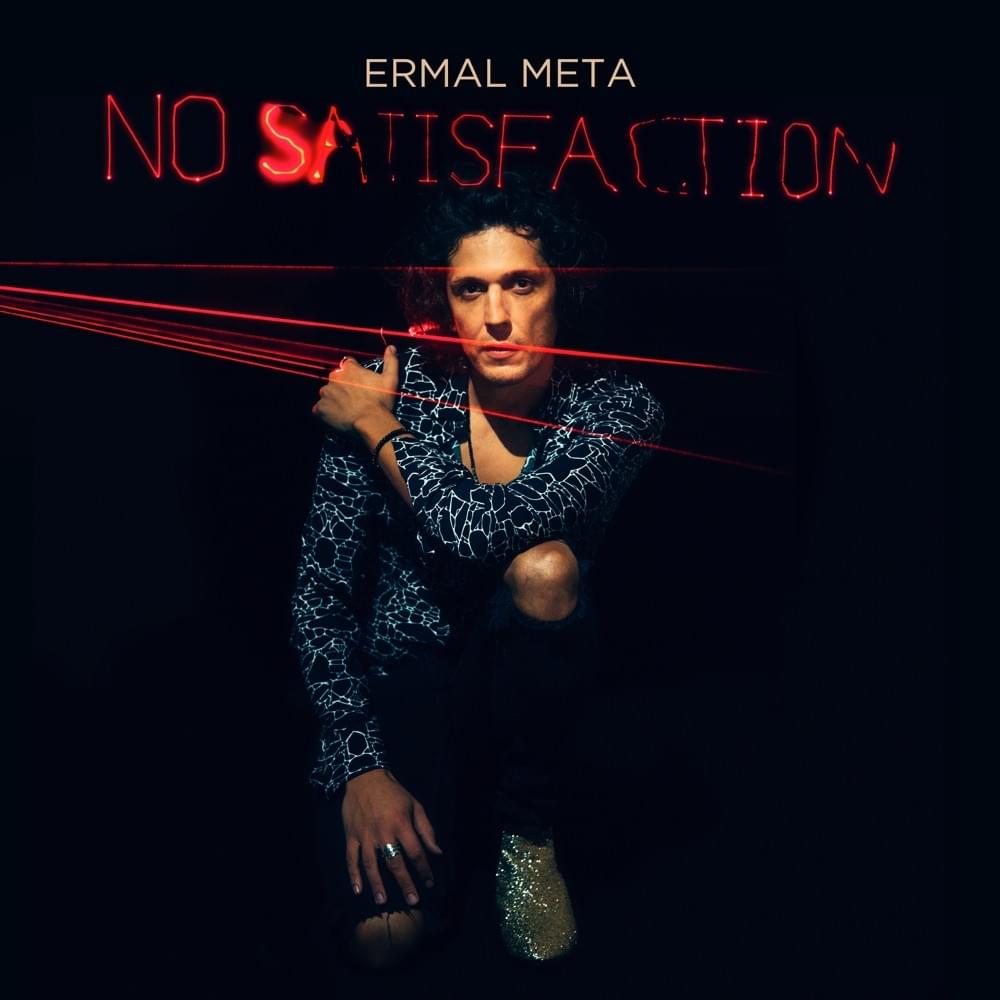
Ermal Meta's "No Satisfaction" is a raw, internal scream against the pervasive hollowness of modern life, particularly as experienced by an artist navigating the treacherous waters of public opinion and fleeting connections. The song's core isn't just dissatisfaction; it's a profound disconnect. Meta paints a portrait of an individual caught between the need for external validation ("Io che vivo di consensi / Io che vendo i sentimenti") and the gnawing realization that such validation is ultimately meaningless. He's selling feelings, digging through his relatives' pockets, and desperately trying to connect, yet finds himself alone even when "warming the atmosphere." This isn't just artistic angst; it's a wider commentary on the commodification of emotions in a society obsessed with appearances. The "new generation" becomes a symbol of this shallow pursuit, a landscape where genuine fulfillment is increasingly elusive.
The lyrical contrasts are sharp and deliberate. Meta juxtaposes his own struggles with the seemingly carefree attitudes of others ("Tu che ridi e sembri iena / Io che urlo e sembro scimmia"). This isn't simple envy; it's a recognition of the different paths people take to cope with the same underlying emptiness. While he grapples with authenticity and the weight of expectations, others seem to embrace superficiality without consequence. The line "Tu che incidi sulla schiena ogni tipo di avventura / Io mi aggrappo ad ogni scusa" is particularly poignant, highlighting the contrast between those who boldly embrace life's experiences (even if superficially) and those who cling to excuses to avoid facing their own vulnerabilities.
The outro delivers the final blow, a cynical assessment of the human condition itself. "Siamo macchine perfette di parole, di saette / Siamo macchine inventate da una mente un po' animale." We are, according to Meta, sophisticated machines, capable of both beautiful expression and destructive force, yet ultimately driven by primal instincts. The chilling conclusion that "Per chi perde e per chi vince il premio è uguale" underscores the futility of the pursuit, suggesting that the fleeting moments of triumph offer no lasting solace in the face of existential dissatisfaction. In essence, "No Satisfaction" is a potent exploration of the modern search for meaning in a world increasingly devoid of it.
 View Artist