Song Meaning
The lyrics paint a picture of an inevitable, unwelcome arrival. The repetition of "Geliyor" (It comes/He comes) sets a tone of dread. This arrival isn't gentle; it's personified as a "two-faced jester" and "fake harlots," suggesting deceit and a predatory nature. The imagery of it coming "without warning, without noise, like a bogeyman" amplifies the sense of unseen, creeping danger.
The central tension lies in the narrator's helplessness against this encroaching force. It's described as "pouncing on me" and "grabbing my throat," indicating a physical and suffocating threat. The lack of mercy, "without pain, without its heart aching," emphasizes the relentless and impersonal nature of what is arriving. The phrase "Geliyor gene" (It comes again) implies a recurring, inescapable ordeal.
The most striking craft element is the stark contrast between the smooth, deceptive movements ("salına salına" - swaying) and the violent intent ("üstüme çullanmaya" - pouncing on me). This duality is further highlighted by comparing the arrival to both a "jester" and "harlots," figures associated with performance and seduction, yet here they serve a menacing purpose. The shift to the "cough" in the outro, with its visceral "Öhö, öhö," grounds the abstract threat in a tangible, physical ailment, making the dread feel more immediate and personal.
This writing is effective because it builds a palpable sense of anxiety through vivid, unsettling comparisons and a relentless rhythm. The focus on the physical sensations of being attacked and the recurring nature of the threat create a powerful emotional resonance. The final, guttural sounds of the cough leave the listener with a feeling of lingering discomfort and the raw reality of the struggle.
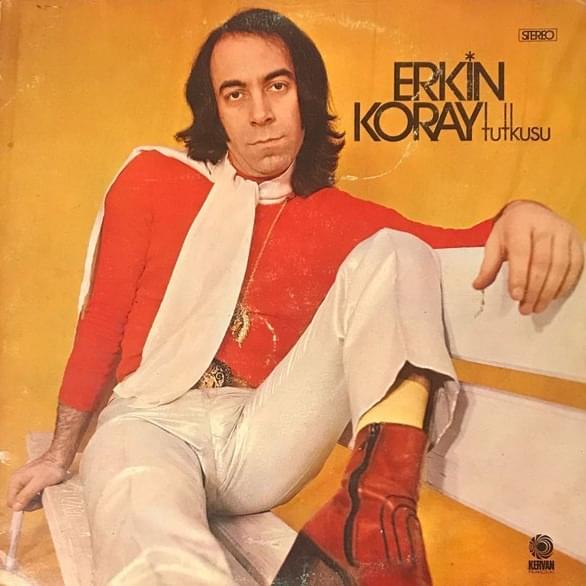
 View Artist