Song Meaning
A stone hits the window, and the immediate, almost hopeful thought is that "Mamoş" has arrived. This sets a tone of anxious anticipation, quickly followed by a desperate plea: "Wake up Mamoş, wake up Mamoş, look what trouble has befallen us." The lyrics paint a picture of urgent crisis, where the arrival of Mamoş is seen as a potential solution or at least a significant event that might alter the dire circumstances.
The central tension revolves around this figure, Mamoş, who is simultaneously invoked with affection and desperation. The narrator offers to hold Mamoş's coat and even suggests selling it for "your own good," hinting at a need for resources or perhaps a desperate measure. The phrase "the people have piled up on our heads" suggests an overwhelming external force or crowd, amplifying the sense of being trapped and in need of Mamoş's intervention.
The most striking element is the rapid shift in tone and the implied relationship dynamics. Mamoş is called upon to wake up, to help with a coat, and then to summon a doctor for a wound. The lullaby "Mamoş ninni" juxtaposed with the dire warnings and pleas creates a disorienting effect. It’s unclear if Mamoş is a protector, a victim, or simply a name called out in a moment of extreme distress, but the repetition of the name grounds the chaos in a singular focus.
This lyrical construction is effective because it captures a feeling of helplessness and a desperate clinging to a single point of hope, however unclear that hope might be. The rapid-fire requests and the blend of tender and urgent language create a raw emotional landscape. The final line, "Who knows who holds a grudge against whom," leaves the situation unresolved, emphasizing the confusion and the deep-seated, perhaps interpersonal, nature of the conflict.
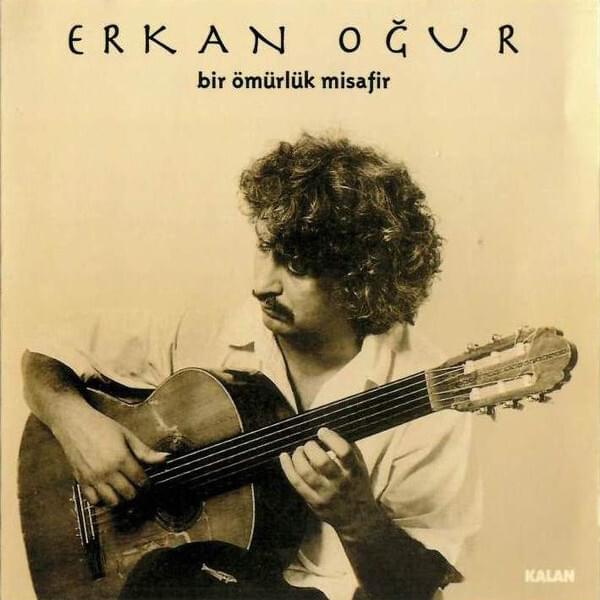
 View Artist