Song Meaning
The lyrics paint a picture of a serene natural landscape, the "other side of the tea," where a gazelle plays. This idyllic scene, however, contrasts sharply with the narrator's internal state of deep longing and devotion. The repeated pleas, "Ağam yar deyme bana" and "Paşam yar deyme bana," coupled with the declaration "Zati de vurgunum sana," reveal a profound, almost overwhelming affection that feels both vulnerable and intense. The narrator is already "struck" by this person, suggesting a love that has taken hold without reciprocation or perhaps even acknowledgment.
The central tension lies in the narrator's sorrowful weeping, described as "usul usul ağlarım" (I cry softly). This quiet grief is juxtaposed with an imagined, ecstatic joy: if told their beloved had arrived, they would tie "double sacrifices." This stark contrast highlights the depth of their yearning and the immense, almost sacrificial, devotion they hold, even in their current state of sadness. The imagery of tying sacrifices speaks to a profound willingness to offer anything for the beloved's presence.
The craft here is in the juxtaposition of the peaceful, almost pastoral opening with the raw, emotional core of the verses. The use of honorifics like "Ağam" (my lord/elder brother) and "Paşam" (my pasha/commander) elevates the beloved, framing them as someone of high status, making the narrator's humble, sorrowful plea even more poignant. This formal address, combined with the deeply personal confession of being "struck," creates a compelling dynamic of adoration and quiet desperation.
Ultimately, these lyrics resonate because they capture the ache of unexpressed or unrequited love through vivid, contrasting imagery. The serene natural setting serves as a backdrop to the narrator's internal storm of emotion, making their profound devotion and quiet sorrow feel both deeply personal and universally understood. The willingness to offer "double sacrifices" powerfully conveys the all-consuming nature of their affection.
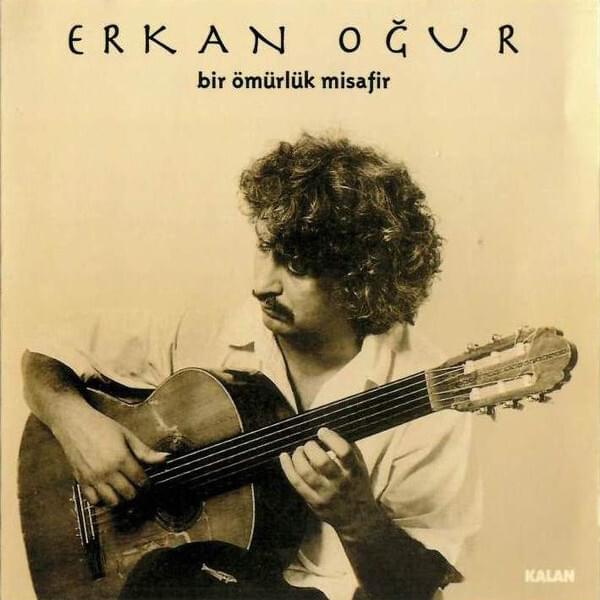
 View Artist