Song Meaning
{"song_id": 10452173, "meaning": "Erin McKeown's \"You, Sailor\" isn't just a sea shanty for the heartbroken; it's a complex negotiation of power, independence, and the lingering anxieties of severing ties. The repeated declaration, \"I am a king! you can't deny me my kingdom!\" acts as both a defiant assertion of self-worth and a fragile defense against the vulnerability inherent in leaving a dominant relationship. The speaker is shedding a subservient role (\"No longer will I beneath you shelter\") and claiming sovereignty, yet the vehemence suggests a struggle to fully internalize this newfound authority. This isn't a clean break; it's a hard-won liberation tinged with the fear of the unknown.
The maritime imagery – \"sailor,\" \"sea,\" \"ship of empire\" – layers the song meaning with historical and personal connotations. The \"sailor\" represents both the departed figure and a part of the speaker's own identity now adrift. The \"ship of empire,\" with its \"rig and mast and spars / Box of stripes and stars,\" evokes a sense of grand ambition and perhaps the weight of expectations associated with the past relationship. McKeown uses these images to paint a scene of someone setting off on their own voyage, away from something that once defined them.
The plea to the \"sailor\" – \"Will you turn and promise me / You'll always be alive\" – exposes the raw nerve beneath the bravado. It’s not a request for romantic fidelity, but a desperate need for reassurance that the other person (and perhaps the shared history) will endure despite the separation. The acknowledgement of potential stumbles – \"Oh I might stutter, I might falter / Sail uncharted waters / Drowning, lost, then found\" – reveals an honest acceptance of the challenges ahead. The journey toward independence is fraught with peril, but the possibility of being \"found\" suggests a hopeful undercurrent beneath the surface of this lyrically rich and emotionally resonant song."}
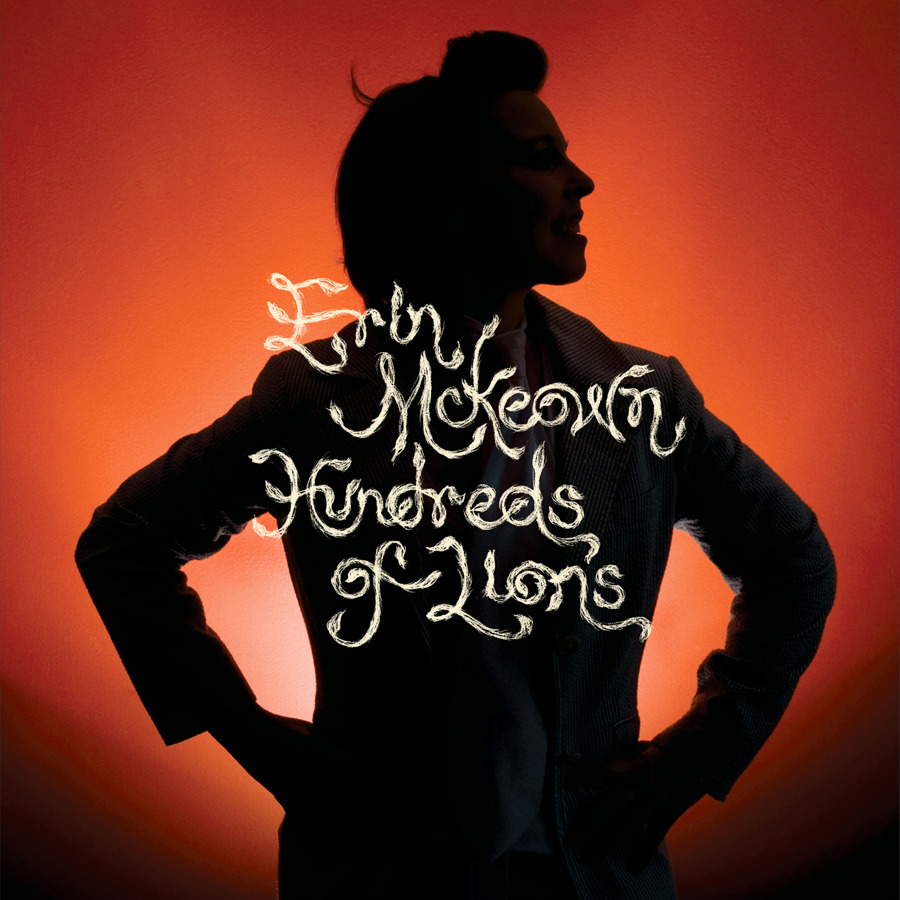
 View Artist