Song Meaning
Erin McKeown's "The Little Cowboy" isn't a simple tale of Western romance; it's a sharply observed portrait of addiction and fleeting connection, rendered with a knowing wink. The opening lines, confessing "cocaine to keep me home," establish a stark reality—a desire for isolation and escape. The "best buckaroos" heading west symbolize missed opportunities and a yearning for something more, yet the narrator remains tethered to self-destructive patterns. The repeated line about buying a ticket, only to be stranded without "lines in my pocket," underscores a fundamental dependence, a fear of facing life without a chemical crutch. The "setting sun" motif hints at a fading hope, a journey perpetually delayed.
The arrival of the "new cowboy" introduces a temporary distraction, a "fresh bed of roses" to alleviate the boredom and pain. This figure, arriving from Seattle with a past of "hard time," offers a fleeting sense of excitement and illicit pleasure—"hometown 'shine." But McKeown doesn't romanticize this connection. The repeated phrase, "sail away ladies, saddlesore maybe," suggests a resignation to the transient nature of these relationships. The narrator acknowledges that the allure of the cowboy, like the roses, will eventually fade, and the cycle will begin again. The "lyrics analysis" reveals a cyclical pattern: escape, temporary solace, and inevitable return to the underlying addiction.
The core of "The Little Cowboy" song meaning lies in its unflinching honesty about the narrator's self-awareness. The line, "Me and my cowboy gonna ride 'til we ride no more, 'til the cocaine calls and the cocaine becomes a chore," encapsulates this grim understanding. Even in moments of apparent connection, the specter of addiction looms large, ultimately reducing even pleasurable pursuits to a monotonous obligation. The song concludes with the repeated assertion, "Baby's got blue skies up ahead," but the repetition feels almost sarcastic, a mantra recited in the face of a deeply uncertain future. It's not optimism, but a fragile hope clinging to the possibility of change, even as the narrator remains trapped in a well-worn cycle of dependency and temporary escapes.
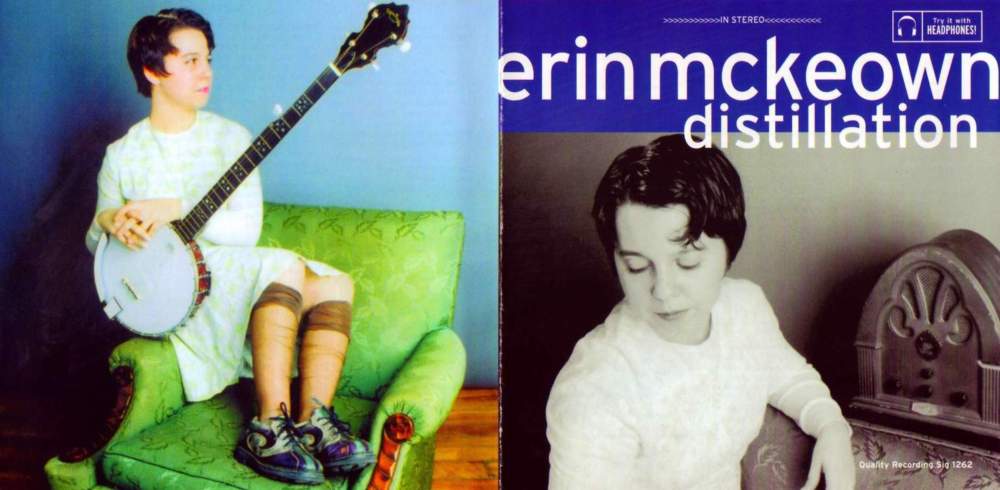
 View Artist