Song Meaning
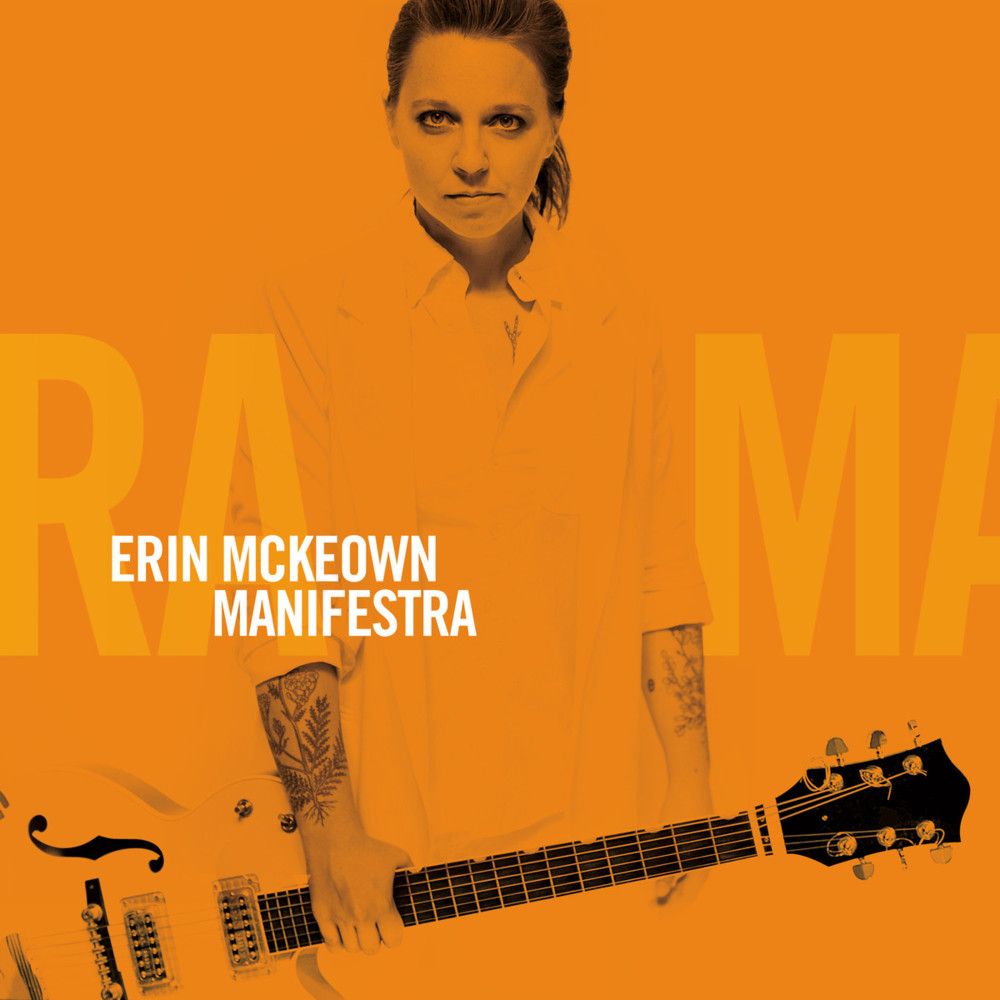
Erin McKeown's "The Jailer" isn't just a song; it's a primal scream against oppression, a lyrical Molotov cocktail thrown at the architecture of power. The song meaning resides not in a literal prison, but in the metaphorical cages we build for ourselves and others – cages of ideology, fear, and control. McKeown paints the jailer as a figure of both authority and profound internal conflict. He rules a "stolen land," indulging in "wicked pleasures," yet the lyrics hint at a deep-seated insecurity: "In his secret heart the jailer knows / How like he is his prisoners." This suggests the oppressor is not some separate, monstrous entity, but rather a distorted reflection of the very people he seeks to control. The jailer's power, therefore, becomes a fragile construct, maintained through fear and brute force. McKeown posits that those who inflict suffering are ultimately consumed by it. Though he sleeps on "finest sheets" the jailer's dreams betray him, as such, he doubles down on the oppression.
The repeated refrain, "You can't keep us out!" isn't merely a rebellious chant; it's a declaration of the indomitable human spirit. McKeown equates resistance with the unstoppable forces of nature: water, fire, and culture. These metaphors highlight the futility of trying to suppress fundamental human needs and desires. Culture, in particular, becomes a powerful symbol of collective identity and resistance, a force that cannot be contained by walls or laws. It's a subtle, yet potent articulation of how shared values and artistic expression can undermine even the most entrenched regimes. McKeown isn't just singing about physical liberation; she's advocating for the liberation of the mind and spirit.
The final verses delve into the psychological toll of perpetuating violence and injustice. "But when we hang another man / Part of us dies with him," McKeown sings, underscoring the corrosive effect of cruelty on the collective soul. The question "Show me just what love is" is both a plea and a challenge, demanding a reevaluation of our values and a rejection of the jailer's logic. McKeown implicates everyone in the system of oppression, suggesting that true freedom requires a fundamental shift in consciousness and a willingness to confront the darkness within ourselves. The song ultimately serves as a poignant reminder that our fates are intertwined, and that the liberation of one depends on the liberation of all.
 View Artist