Song Meaning
Erin McKeown's "Lucky Day" isn't just a saccharine burst of optimism; it's a deceptively simple exploration of the human desire to ascribe meaning to chance encounters. The surface-level reading points to a straightforward narrative of finding good fortune, symbolized by the horseshoe and the arrival of a significant other. McKeown's protagonist is giddy, almost childlike, in her pronouncements of luck, repeating the mantra-like chorus with unwavering enthusiasm. But the song's charm lies in its potential subtext. Is this genuine elation, or a carefully constructed belief system designed to ward off the anxieties of an unpredictable world?
Psychologically, the repetition of "I'm lucky" can be interpreted as a form of cognitive restructuring. By affirming her good fortune, the speaker attempts to shape her reality, creating a self-fulfilling prophecy of positivity. The found horseshoe, a classic symbol of luck, acts as a tangible object to reinforce this belief. The phrase "couldn't go wrong" suggests a vulnerability, a fear of the opposite outcome that the protagonist actively combats through affirmations. The arrival of "you" further cements this narrative. The love interest isn't just a welcome addition, but validation that the universe is indeed conspiring in her favor.
Ultimately, the song meaning of "Lucky Day" rests on the listener's interpretation. Is McKeown offering a sincere celebration of serendipity, or a more nuanced commentary on the human need for control in a chaotic world? Perhaps it's both. The song's beauty lies in its ambiguity, allowing listeners to project their own experiences and beliefs onto its simple, yet resonant, message. It’s a reminder that sometimes, believing you're lucky is half the battle.
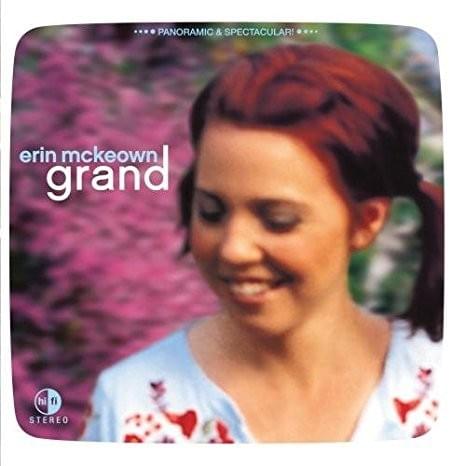
 View Artist