Song Meaning
Erin McKeown's "Born To Hum" isn't just a quirky tune; it's a quiet act of rebellion against the tyranny of articulation. The song circles around a pivotal moment, "the spring of my twenty-fourth year," a time ripe with existential pressure. It's a declaration of linguistic bankruptcy, where the weight of expectations and past failures renders words useless. McKeown isn't just choosing silence; she's actively "throwing all the words away," opting instead for the primal, unburdened expression of a hum. It's a rejection of the demand to constantly explain, justify, and perform through language.
The core of "Born To Hum" resides in the push and pull between external demands and internal desires. The second verse introduces a direct confrontation: "You were the last in my twenty-fourth year / To make a demand of my voice." McKeown's response – a tickle, a laugh, a choice – isn't combative, but rather a gentle assertion of autonomy. The repeated line, "We were born to hum," suggests a shared, perhaps even universal, longing for a simpler, less mediated form of connection. The hum becomes a symbol of authenticity, a pre-linguistic state of being where vulnerability and honesty reside.
Ultimately, "Born To Hum" acknowledges the tension between the pressure to produce and the desire for quiet contemplation. McKeown admits to moments of self-reproach, complaining that "Nothing gets done / Nothing's in place." Yet, the repeated refrain, "I, I would rather hum," underscores the conscious decision to prioritize inner peace over societal expectations. The hum becomes an active choice, a form of self-soothing and resistance in a world that constantly demands our voice. It's a subtle, powerful reminder that sometimes, the most profound statement is the one left unspoken.
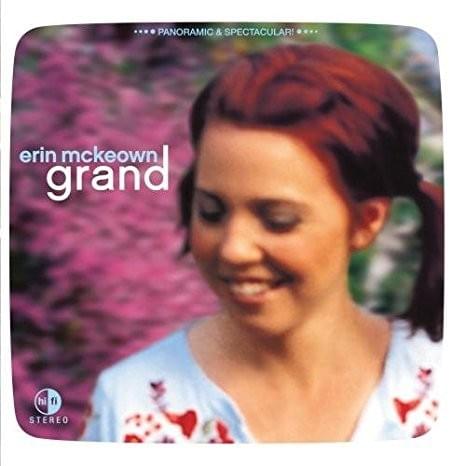
 View Artist