Song Meaning
The lyrics paint a stark picture of a relationship teetering on the edge, marked by a desperate desire for escape and a palpable sense of dread. The opening lines immediately establish a fragile hope, a wish to believe the words spoken, juxtaposed with the recurring question, "Would you like to leave?" This isn't a casual inquiry; it feels like a plea, a recognition that the current situation is unsustainable and potentially dangerous.
The central tension arises from the narrator's internal struggle and the perceived threat from the other person. The image of the "knife in your hand to mine" is incredibly potent, suggesting not just emotional conflict but a literal, physical danger. This fear is amplified by the claustrophobic setting of "little tiny rooms that our friend calls a home," where "head fills with heat," indicating rising panic and a feeling of being trapped. The narrator's admission of being "weak" and "sad" further underscores their vulnerability in this volatile dynamic.
The recurring refrain, "Turn on the stove," is a striking, almost surreal image that seems to represent a desperate, perhaps destructive, attempt to break free or to create a drastic change. It’s a jarring contrast to the quiet desperation of the verses, suggesting a boiling point is near. The repetition of this action, coupled with the heat and the knife imagery, builds an atmosphere of impending crisis, where escape is sought through any means, even self-immolation or mutual destruction.
What makes these lyrics so effective is their raw, unvarnished portrayal of psychological distress and relational toxicity. The simple, direct language, combined with visceral imagery like the "knife" and the overwhelming "heat," creates an immediate sense of unease and empathy. The narrator’s internal monologue, oscillating between a desire for connection and the terror of their situation, feels intensely personal and unsettling, leaving the listener with a lingering sense of dread and the unresolved question of what comes next.
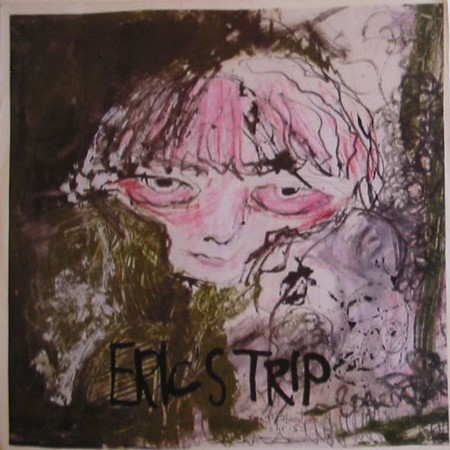
 View Artist