Song Meaning
The lyrics paint a stark picture of profound existential despair and self-loathing. The narrator grapples with an inexplicable brokenness, questioning the very nature of existence and sanity. The opening lines, a repeated lament of being "so broken," immediately establish a tone of deep, unresolved pain that permeates the entire piece. This isn't just sadness; it's a fundamental sense of being flawed at a core level.
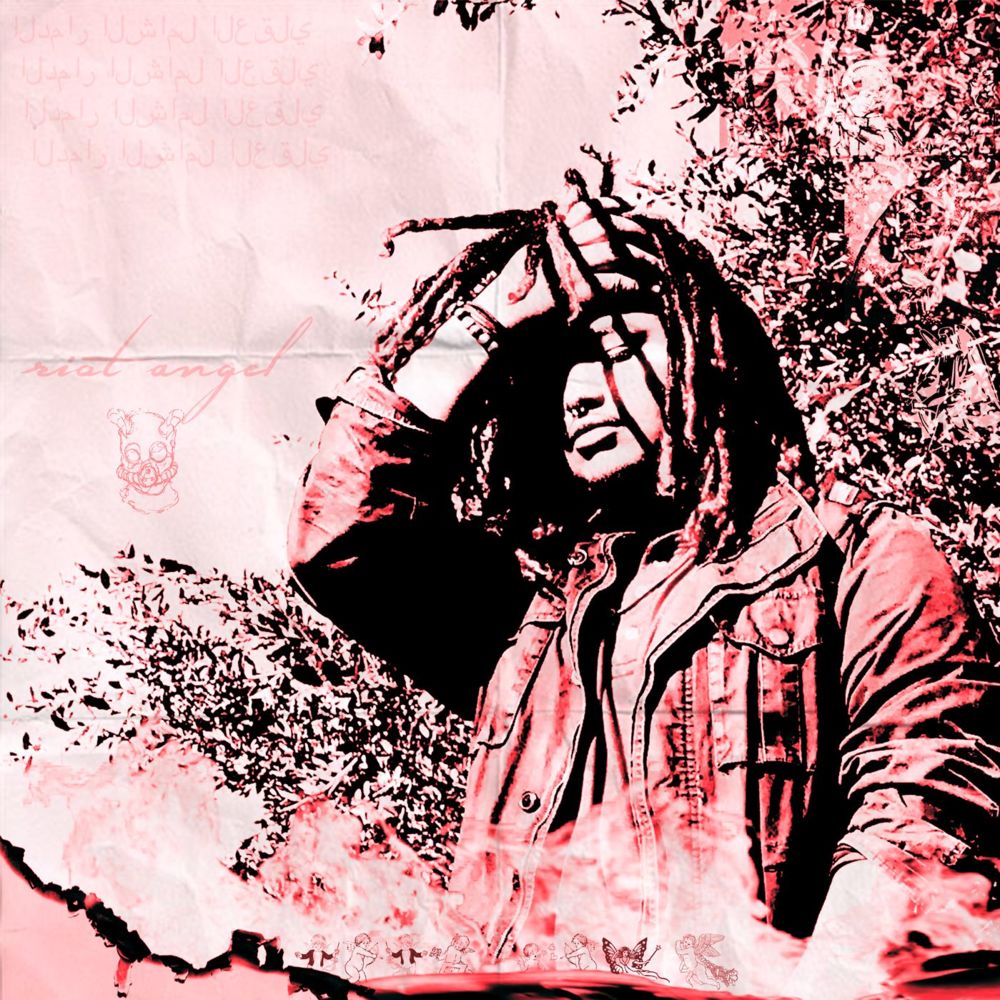
The central tension arises from the narrator's intense disillusionment with life and humanity. They question societal values, the purpose of feeling "sane," and even the significance of human existence, reducing it to "specs of dust." This existential dread is amplified by a feeling of being trapped in "terminal hell," leading to a desperate, almost violent rejection of life itself, as expressed in the desire for universal death. The "Riot Angel" persona emerges as a manifestation of this internal turmoil, screaming into the void and questioning personal desires.
A striking element is the recurring imagery of decay and fading, particularly the repeated "Dye fades away." This phrase, appearing throughout the song and dominating the outro, suggests a loss of vibrancy, identity, or perhaps hope. It mirrors the narrator's feeling of being "secluded" from happiness and their perception of a "diluted" world. The contrast between the "Riot Angel" actively screaming and the passive fading of dye highlights the internal conflict between a desire for expression and an overwhelming sense of resignation.
Ultimately, the lyrics resonate through their raw, unflinching portrayal of despair and the feeling of being fundamentally disconnected from meaning. The narrator's intense questioning, the visceral imagery of a "cigarette room smell" and "pit of cries," and the relentless repetition of "Dye fades away" combine to create an atmosphere of suffocating hopelessness. It’s the stark, almost nihilistic perspective that makes the expression of pain so potent, leaving the listener with a profound sense of the narrator's internal desolation.
 View Artist