Song Meaning
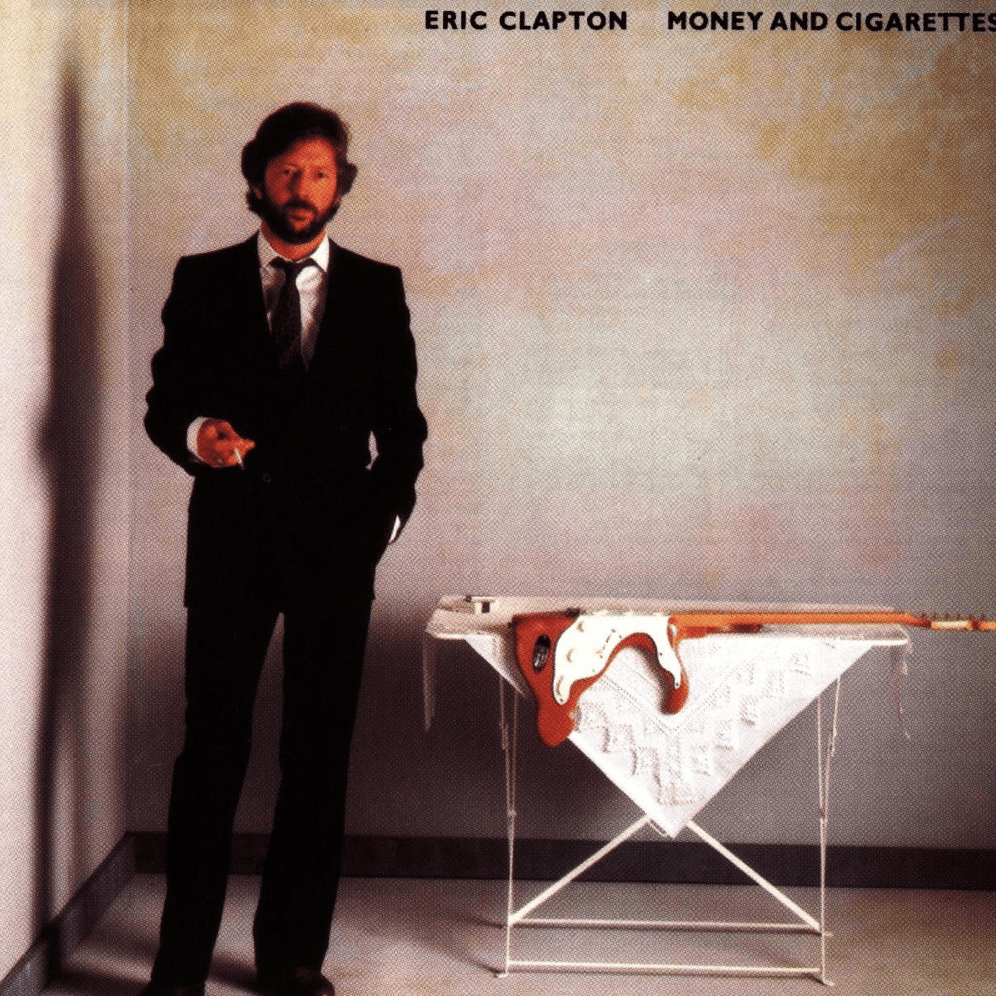
Eric Clapton's "The Shape You're In" isn't just a bluesy shuffle; it's a painfully honest snapshot of enabling behavior masked as concern. The protagonist, presumably Clapton himself, observes his partner's escalating wine consumption with a mixture of exasperation and thinly veiled complicity. The opening verse sets the stage – a forced night out, immediately undercut by the woman's inebriated state. It's not just that she's had "a few"; it's the pervasive "smell" that betrays a deeper issue. This immediately creates a sense of discomfort, as the listener is thrust into a situation that is already spiraling, and the narrator is not necessarily a reliable source. The song's meaning resides less in the stated concern and more in the unspoken acceptance.
The chorus, with its repeated refrain of "hold on girl, don't get too tight," drips with irony. It's a plea for control, not for her sake, but for the sake of appearances: "We don't want the whole world to know / About the shape you're in." The focus isn't on her well-being but on managing the fallout. The almost casual observation in the second verse – "my little girl really loves that wine" – further normalizes the behavior, painting a picture of repeated instances. The line "She can drink more wine than I've ever seen" teeters between admiration and alarm, highlighting the narrator's conflicted feelings. Is he impressed by her capacity, or genuinely worried about her dependency?
Ultimately, "The Shape You're In" gains its subtle power from the third verse. The narrator attempts to distance himself: "Now I'm not trying to get heavy with you / I'll mind my own business if you want me to." But then comes the crux of the song's meaning: "I'm just telling you, baby, because I've been there myself." Clapton, known for his own struggles with addiction, hints at a shared history, a silent understanding that binds them together. The song then becomes less about judgment and more about a shared, painful experience. It’s a blues lament of sorts, not just about her "shape," but also about the cyclical nature of addiction and the difficulty of breaking free. The seemingly simple lyrics thus gain considerable weight, transforming a catchy tune into a complex exploration of love, addiction, and the burden of shared secrets.
 View Artist