Song Meaning
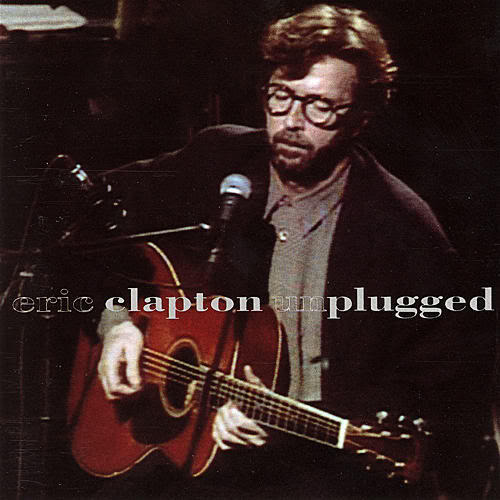
Eric Clapton's "Old Love" isn't just a blues lament; it's a raw, exposed nerve of enduring, unwanted emotional attachment. Stripped down in its acoustic live form, the song's meaning becomes even more stark: a portrait of someone haunted by the ghost of a past relationship, unable to exorcise its persistent presence. The lyrics speak of a physical and mental invasion, a feeling of the former lover's body even "when I'm lying in bed," and a head full of "too much confusion." This isn't just sadness; it's an active, intrusive force disrupting the present. The song becomes a study in emotional persistence and the frustrating inability to move on, amplified by the rawness of the live acoustic rendition.
The pre-chorus escalates the internal conflict to boiling point. "It's makin' me so angry / To know that the flame still burns." This isn't romantic longing; it's resentment at the continued power of the past. The rhetorical questions – "why can't I get over?" and "when will I ever learn?" – are not pleas for help but frustrated self-beratement. Clapton isn't seeking answers; he's articulating the cyclical nature of his torment. The repetition in the second verse, where the 'face' of the old love is recognized as an illusion, underscores the psychological battle being waged. The 'flame will always burn' is not a statement of undying affection, but a grim acceptance of a permanent scar.
The chorus, the core of "Old Love," is a desperate plea: "Old love, leave me alone / Old love, just go on home." It's a demand for emotional autonomy, a yearning to reclaim mental space. The simplicity of the language emphasizes the directness of the need. This isn't about rekindling or regret; it's about banishment. The outro, with its repeated invocation of "Old love," becomes almost mantra-like, a desperate attempt to ward off the lingering presence. The fading repetition reinforces the sense of weariness and the seemingly endless struggle to escape the clutches of a love that refuses to die a peaceful death. The acoustic setting only serves to amplify the vulnerability and the unwavering power of emotional memory at the heart of Eric Clapton's song.
 View Artist