Song Meaning
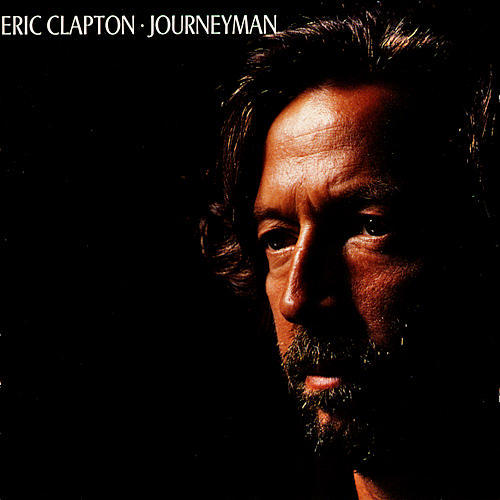
Eric Clapton's "Old Love" isn't just a bluesy lament; it's a raw, internal battle waged against the persistent ghost of a past relationship. The song meaning resides in that agonizing space between wanting to move on and being unable to escape the lingering emotional residue. It's a state of psychic imprisonment where the memory of a lover becomes an unwelcome roommate. The opening lines, heavy with the weight of physical absence felt in "I can feel your body / When I'm lying in bed," immediately establish this intimate, haunting presence. This isn't mere nostalgia; it's a visceral, almost painful, echo. The 'confusion going around' in his head points to the cognitive dissonance inherent in trying to reconcile past affections with present realities.
The pre-chorus and chorus are where the song's emotional core truly bleeds. The repeated line, "it's making me so angry / To know that the flame still burns," exposes the frustration and self-directed anger that often accompany unresolved feelings. It’s a kind of betrayal, a wound that refuses to heal. The plea, "Old love, leave me alone / Old love, just go on home," is not directed at a person anymore, but at the phantom of a feeling, an addiction to a memory. This is a crucial distinction. Clapton isn't necessarily yearning for the person, but for the intensity of the connection, for the comfort of the familiar, however toxic it may have been.
Verse two deepens the sense of unreality. "I can see your face / But I know that it's not real / Just an illusion / Caused by how I used to feel" confirms the love object has become internalized, a projection of past emotions rather than a present-day reality. It also speaks to how the mind can construct elaborate fantasies around past experiences, distorting them into idealized versions that are impossible to replicate. The final declaration, "I'll never get over / I know now that I'll never learn," is a stark admission of defeat, a recognition that some emotional scars run so deep that complete healing may be unattainable. "Old Love" then, becomes a powerful exploration of how the past can continue to shape—and haunt—the present.
 View Artist