Song Meaning
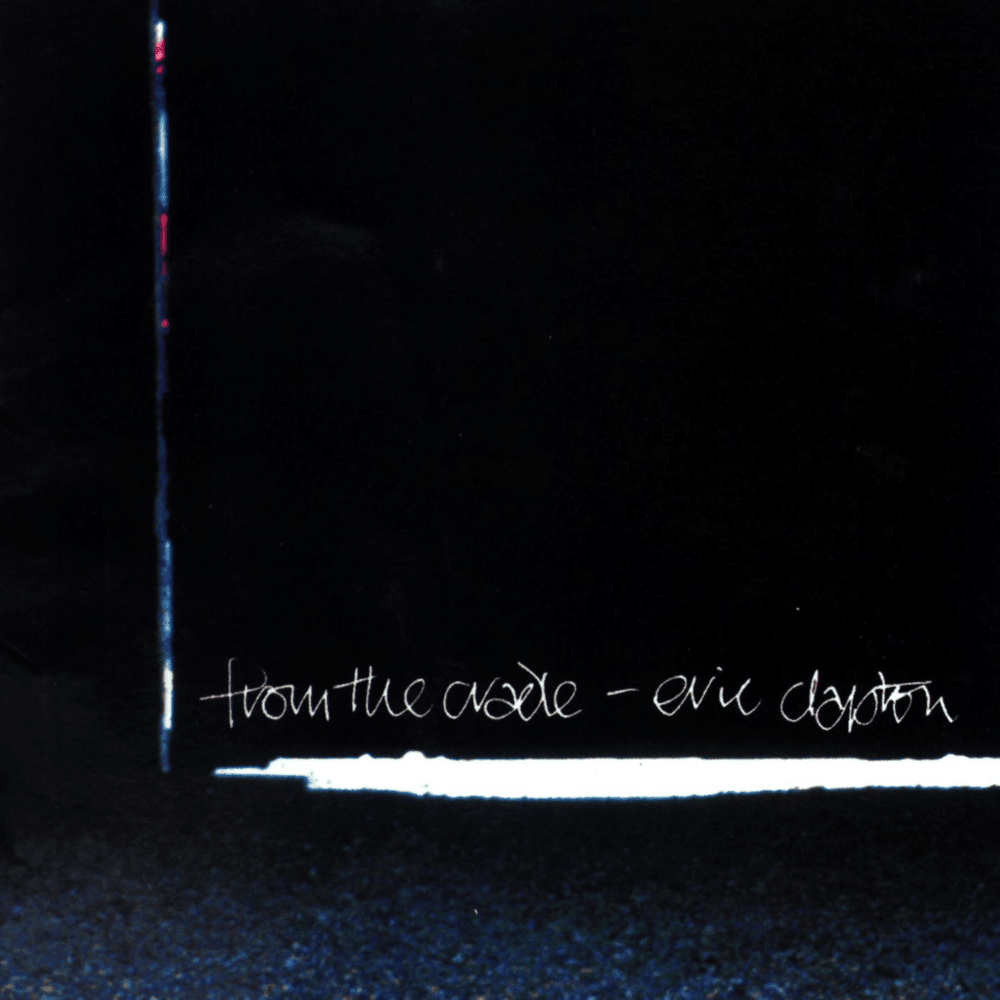
{"song_id": 13415587, "meaning": "Eric Clapton's rendition of \"Motherless Child\" is a raw, blues-soaked exploration of moral ambiguity and relational turmoil, filtered through the archetypal pain of abandonment. The opening confession—\"If I mistreat you girl, I sure don't mean no harm / Well, I'm a motherless child, I don't know right from wrong\"—isn't a simple excuse, but a primal scream from a man grappling with his own capacity for hurt. This isn't about absolution; it’s about exposing the roots of his flawed behavior, tracing it back to a fundamental lack of nurturing and guidance. The \"motherless child\" becomes a metaphor for a broken moral compass, adrift in a world of complex emotions and desires. The lyrics suggest a damaged psyche, one that inflicts pain almost unconsciously, driven by an inner void.
The subsequent verses delve into themes of suspicion and infidelity. The accusatory tone—\"Please tell me pretty mama, honey where'd you stay last night?\"—reveals a deep-seated insecurity, a fear of being left alone that likely stems from the initial wound of abandonment. The bizarre image of traveling \"so far, girl, to get my ham bones boiled\" adds a layer of surrealism. It's a blues trope, of course, but here it amplifies the sense of futility and the lengths to which the speaker will go to satisfy basic needs, both physical and emotional. The line, \"he's had a lot of women, going to let my ham bones burn\" is an admission of the speaker's promiscuity and his suspicion of the woman's.
The boastful assertion, \"Well, I did more for you, girl, than your daddy ever done / Well, I give you my jelly, he ain't give you none,\" is a desperate attempt to assert dominance and claim value in the relationship. The \"jelly\" here is a loaded metaphor, representing not just physical intimacy but also emotional sustenance. It's a transaction, a way of quantifying love and loyalty. The paranoia escalates with the lines about \"two women always running hand in hand,\" highlighting the speaker's pervasive distrust and fear of betrayal. The blues tradition often uses coded language to discuss relationships, and this verse is no exception.
Ultimately, the song spirals towards a melancholic resignation. The final verse—\"Lord, I'm going to the river, get me a tangled rocking chair / And if the blues overtake me, going to rock away from here\"—is a powerful image of retreat and isolation. The river, a classic symbol of cleansing and rebirth, becomes a place of escape, but not necessarily redemption. The \"tangled rocking chair\" suggests a state of restless unease, a perpetual cycle of emotional turmoil. The blues aren't just a musical style here; they are an inescapable force, threatening to consume him entirely. \"Motherless Child\", in Clapton's interpretation, is a haunting portrait of a man wrestling with his demons, forever marked by the absence of a foundational love."}
 View Artist