Song Meaning
In "Man Overboard," Eric Clapton delivers a raw depiction of being emotionally adrift, capsized by the turbulent power of a relationship. The lyrics, though simple, paint a portrait of intense ambivalence, where love oscillates between euphoria and despair. The repeated lines, "You say you do, when you don't / You say you will, when you won't," establish a foundation of unreliability, suggesting a partner whose actions rarely align with their words. This inconsistency creates a volatile emotional landscape, where the singer is both elevated and demeaned, empowered and belittled. He is made "king" one moment, a "clown" the next. This push-and-pull dynamic becomes the central torment of the song. The core of the song meaning rests in the chorus, where the singer declares, "I'm like a man on fire, man overboard." The "man on fire" evokes a sense of passion and intensity, of being consumed by overwhelming feelings. Juxtaposed with "man overboard," it reveals the perilous consequences of this emotional inferno. He's not just burning with love; he's drowning in it, lost at sea without a lifeline. The 'man overboard' metaphor highlights the feeling of being cast aside, abandoned, and struggling to stay afloat in the face of emotional turmoil. The second and third verses amplify this sense of being controlled and overwhelmed by the other person's actions. The singer is at their mercy, subject to their whims, whether it's "turn[ing] on the light in the middle of the night" or "tear[ing] [his heart] apart." This lack of agency is further emphasized by the feeling of being constantly ignited and on the verge of explosion, his heart on "overload." The absence of an "early warning" suggests a loss of control, a descent into emotional chaos driven by the intensity of his feelings for the other person. Ultimately, "Man Overboard" is a visceral exploration of the intoxicating and destructive nature of a love that destabilizes and consumes.
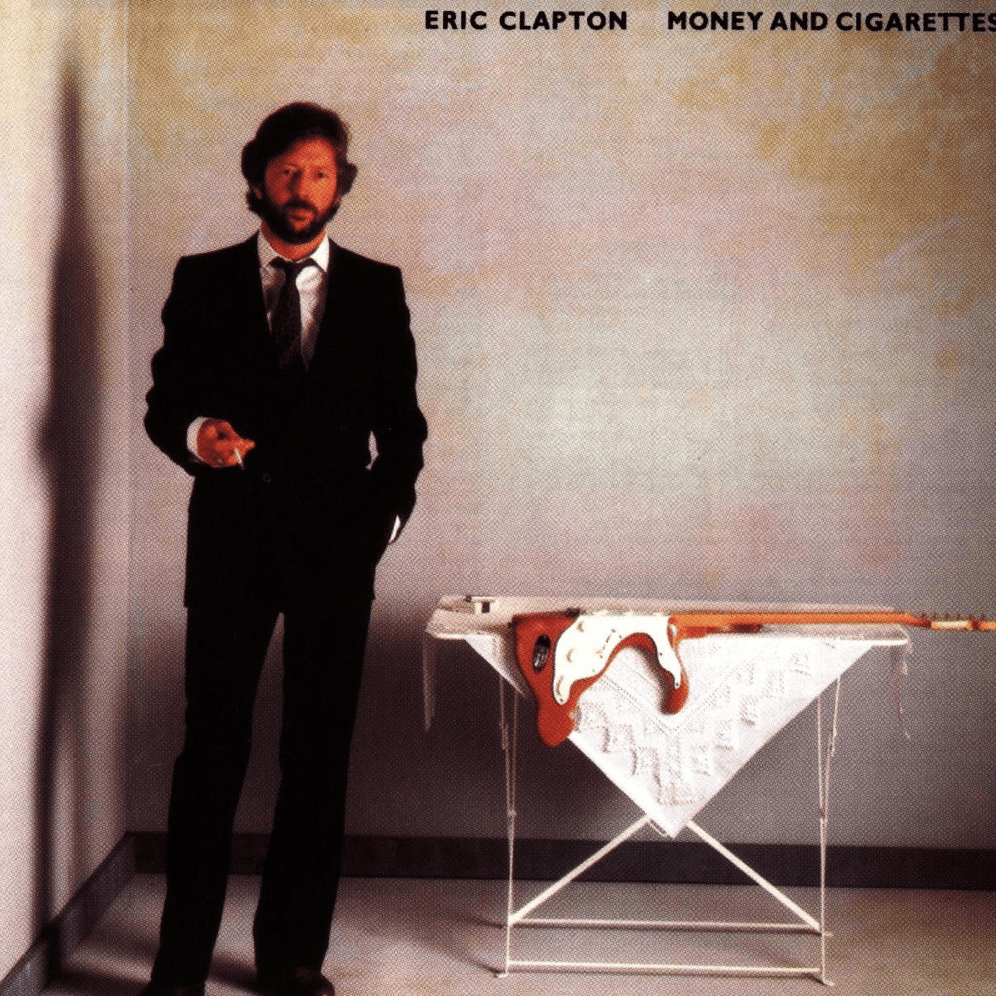
 View Artist