Song Meaning
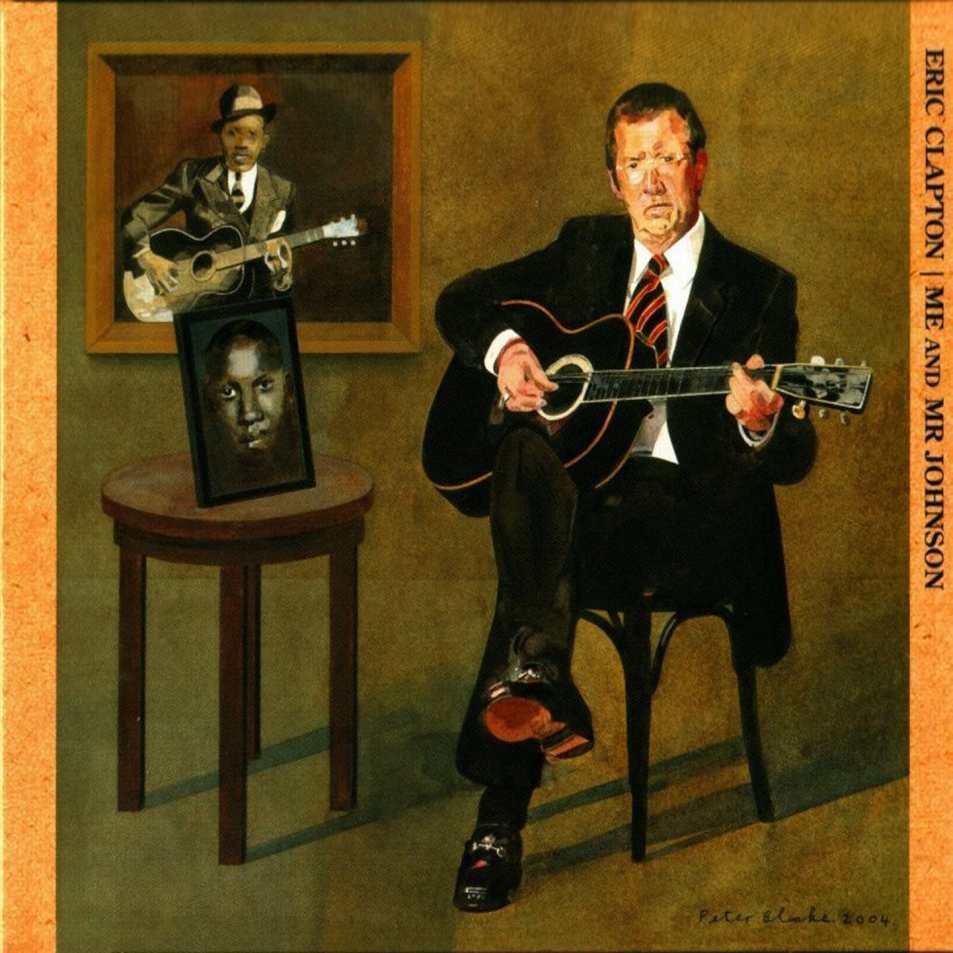
{"song_id": 13415562, "meaning": "Eric Clapton's rendition of \"Love in Vain\" doesn't just replay a blues standard; it distills heartbreak to its most elemental form. The song meaning resides not in complex narrative, but in the raw, exposed nerve of abandonment. We're dropped directly into the aftermath: a suitcase, a train station, the agonizing wait, and the finality of departure. Each verse functions as a stark snapshot, the repetition amplifying the speaker's cyclical torment. The core of the song, the phrase \"all my love's in vain,\" acts as both a lament and a self-indictment. It's a realization of wasted emotional investment, a bitter pill swallowed in real-time. The rawness of this Eric Clapton song version is the point.
The train station setting is more than just scenery; it's a loaded symbol. Stations represent transitions, departures, and the often-painful acceptance of change. The narrator's gaze locked with his departing lover emphasizes the intimacy and the immediate severing of that bond. The inability to \"help but cry\" isn't just sadness; it's a complete loss of control, a primal scream against the injustice of lost love. The repeated line underscores the feeling of helplessness, a paralysis in the face of overwhelming emotion.
The visual imagery in the third verse elevates the song beyond simple heartbreak. The train's two lights offer a glimpse into the narrator's fractured psyche. The \"blue light\" representing his blues is straightforward enough, but the \"red light\" symbolizing his mind is far more evocative. Red is the color of passion, anger, and danger, suggesting a mind consumed by the intensity of the situation, perhaps even teetering on the edge. The outro, with its mournful cries of \"Willie Mae,\" serves as a final, desperate plea, a name uttered into the void, encapsulating the profound sense of loss that permeates the entire song. It's a blues lament, yes, but also a potent exploration of the psychological wreckage left behind by a love gone irrevocably wrong."}
 View Artist