Song Meaning
{"song_id": 13415551, "meaning": "Eric Clapton's rendition of \"Last Fair Deal Gone Down\" isn't just a blues lament; it's a stark portrait of economic desperation and the slow erosion of hope. The recurring line, \"It's the last fair deal going down,\" acts as a mournful mantra, suggesting a world where opportunities are vanishing, and the already marginalized are left with dwindling prospects. The Gulfport Island Road setting anchors the song in a specific geography of hardship, likely referencing the economic realities faced by communities along the Gulf Coast. The repetition emphasizes the cyclical nature of poverty and the feeling of being trapped. This is about more than just a single lost opportunity; it is a systemic collapse of fairness.
The verses offer glimpses into the lives caught in this downward spiral. \"Please, Ida Belle, don't cry this time / If you cry about a nickel, you'll die about a dime\" speaks volumes about the emotional toll of financial strain. The harshness of the lines suggests a learned resilience, a need to suppress grief in the face of constant adversity. The mention of a \"mean\" captain implies exploitation of labor, with those in power extracting what they can from the vulnerable. The almost nonsensical line \"Camp ain't he and see\" could be interpreted as a coded message of discontent or resistance, a veiled commentary on the unfair conditions. The song is less about romantic love than it is about the love of surviving under dire circumstances.
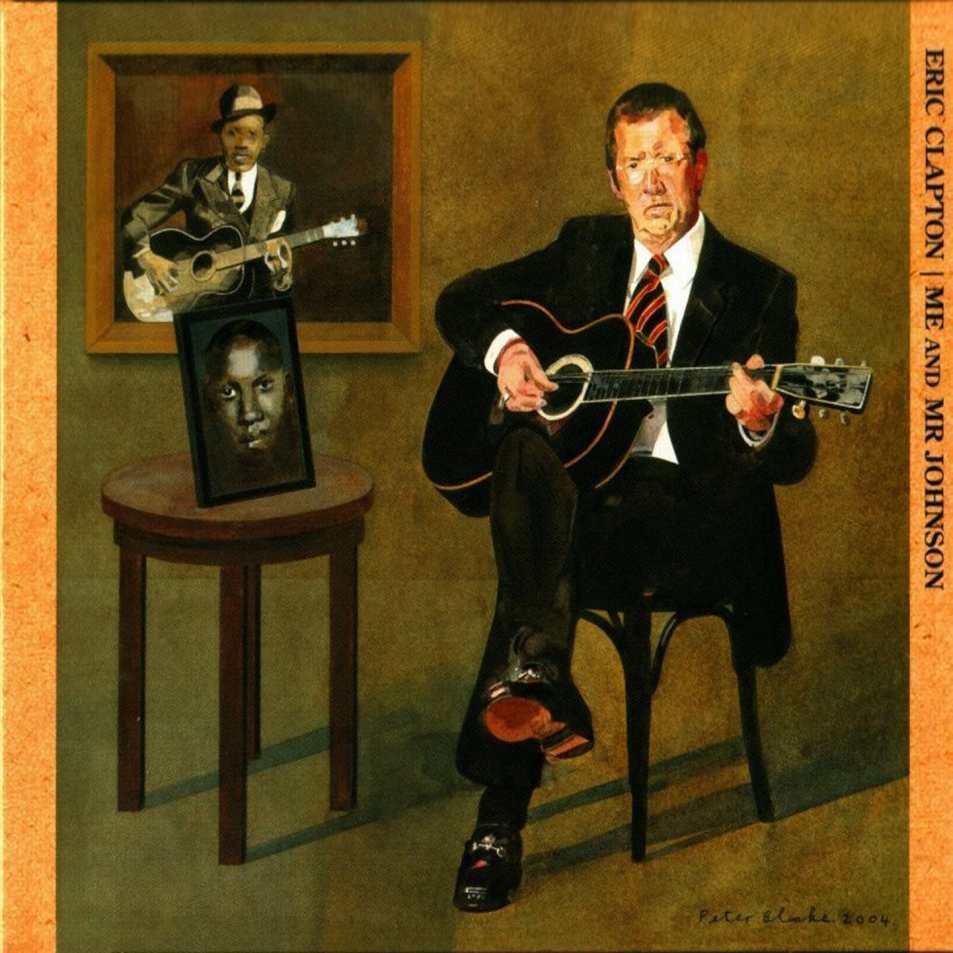
Ultimately, \"Last Fair Deal Gone Down\" is a powerful statement on the human cost of economic disparity. The bridge, \"I'm working my way back home,\" provides a glimmer of hope, suggesting a desire to escape the cycle of poverty and find solace in familiar surroundings. However, the repetition of \"that thing don't keep ringing so soon\" in the outro injects a sense of urgency and anxiety. The ringing could symbolize debt collectors, looming deadlines, or the relentless pressure of a system designed to keep people down. Clapton's interpretation transforms a blues standard into a commentary on societal injustice, rendering it a timeless and relevant exploration of the human condition under financial duress."}
 View Artist