Song Meaning
Eric Clapton's "Hard Times Blues" isn't just a musical performance; it's a stark, unflinching portrait of economic despair. The relentless repetition of "hard times" throughout the lyrics isn't merely a stylistic choice, but a psychological echo of the grinding monotony and inescapable nature of poverty. The blues, as a genre, has always been a vessel for expressing hardship, but Clapton’s rendition feels particularly raw, devoid of romanticism, and focused instead on the visceral reality of scarcity. The lyrics, though simple, cut deep, reflecting a world where opportunities vanish and hope dwindles. The blues scale becomes a lament for lost jobs and an uncertain future. The 'crying' of the people isn't just sadness; it's a collective wail against a system that seems designed to perpetuate suffering. This song meaning is not just about individual misfortune, but the shared burden of a community.
The line, "I can't even see what poor people is going to do," lays bare the helplessness and desperation that accompany economic freefall. There's a quiet horror in the observation, a sense of witnessing a slow-motion disaster. The imagery of the closed factory gate, where the speaker once worked, is especially potent. It’s not just a job loss; it’s a severing of identity, a symbolic rejection by the very institutions that once provided stability. The factory, once a source of pride and purpose, now stands as a monument to broken promises and shattered dreams. This is where the personal and political intersect, revealing the human cost of economic policies and societal failures.
Finally, the yearning for escape, embodied in the image of the bluebird with its "trunk packed," speaks to a fundamental human desire for freedom and self-determination. The bluebird isn't just a whimsical fantasy; it's a symbol of the possibility of flight, of leaving behind the crushing weight of hard times. The vow to "never come back" underscores the depth of the speaker's disillusionment. "Hard Times Blues" is therefore not just a song about poverty; it’s a song about resilience, about the enduring human spirit’s search for a way out, even when all doors seem closed. The song meaning, at its core, is about the struggle to maintain hope in the face of overwhelming adversity, a theme that continues to resonate deeply in contemporary society.
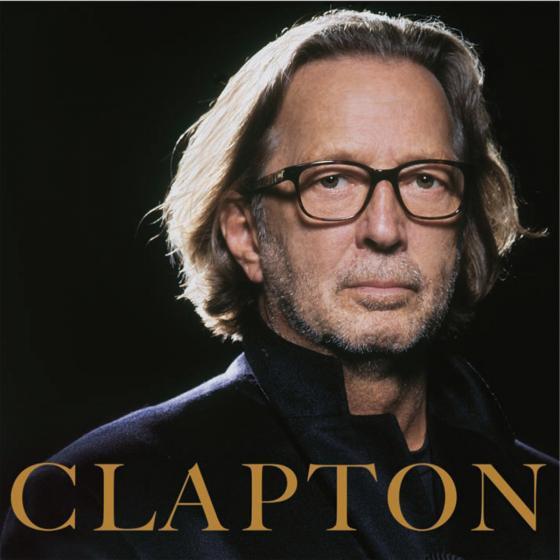
 View Artist