Song Meaning
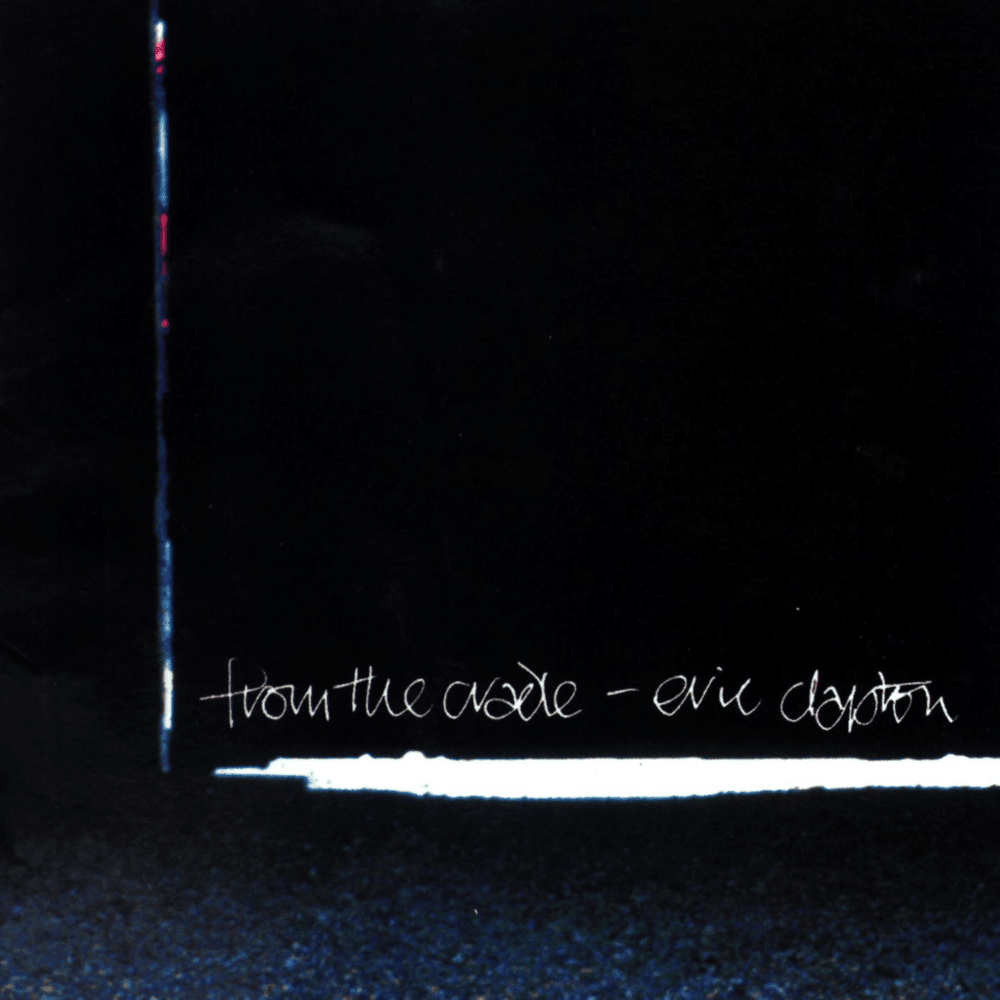
{"song_id": 13415595, "meaning": "Eric Clapton's \"Groaning the Blues\" isn't just a song; it's an exercise in emotional purgation. The track, steeped in the traditions of blues lament, finds Clapton less interested in virtuosic guitar work and more fixated on raw, unadorned vocal delivery. The repetition of \"I'm so tired of moaning, trying to groan away my blues\" becomes a mantra of exhaustion, a paradox where the act of expressing pain only deepens the weariness it seeks to alleviate. It's a primal scream rendered in slow motion. The song meaning lies not just in the sadness, but in the Sisyphean futility of trying to vocalize one's way out of it. It's the blues about the blues.
The lyrics paint a stark picture of obsessive love and possessive jealousy, bordering on self-destruction. The hyperbole of preferring death by starvation in the desert sun to the thought of another man's embrace is classic blues melodrama, yet Clapton delivers it with a sincerity that transcends cliché. This isn't a boast of machismo; it's an admission of vulnerability, a confession of being utterly consumed by romantic despair. The willingness to choose oblivion over sharing his love object reveals a profound psychological dependence. It's a dark undercurrent of the song meaning, hinting at control issues beneath the surface of heartbroken sorrow.
The final verse descends into a physical manifestation of grief. \"My heart gets so heavy, Lord, I shake down in my bones\" suggests a burden so profound it affects him on a cellular level. He is rendered helpless, unable to even muster anger towards a hypothetical rival (\"I can't hurt a murderer, Oh Lord, but I'm forced to weep and moan\"). This isn't a statement of moral pacifism; it's an admission of emotional paralysis. The inability to act, to even direct aggression outwards, traps him in a cycle of internal suffering. In \"Groaning the Blues,\" Eric Clapton lays bare the agonizing, often self-defeating, nature of heartbreak, leaving listeners with a portrait of a man drowning not in sorrow, but in the very act of expressing it."}
 View Artist