Song Meaning
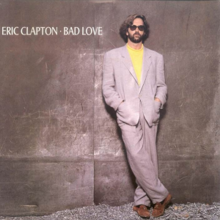
Eric Clapton's "Bad Love" isn't just a bluesy rock anthem; it's a raw, vulnerable testament to escaping cycles of toxic relationships and finally embracing genuine connection. The song meaning hinges on the contrast between past pain and present hope. Clapton lays bare the emotional toll of repeated heartbreak, characterizing his past as a "blue" existence filled with "heartaches." He isn't just singing about failed romance; he's acknowledging a pattern, a "road" he walked for far too long populated by "lonely people" like himself. This suggests a deep-seated understanding of how negative relationship patterns can become self-reinforcing.
The chorus, a defiant repetition of "I've had enough bad love," acts as both a cathartic release and a firm declaration of intent. It’s a boundary being drawn in the sand, a refusal to settle for less than he deserves. The lyrics aren't simply about finding love; they're about finding *good* love, "something I can be proud of." This pride isn't about ego; it's about self-respect and the recognition of a healthy, reciprocal bond. The repetition of "No more bad love" isn’t just a catchy hook; it’s a mantra, a psychological reconditioning meant to break free from destructive tendencies.
Ultimately, "Bad Love" resonates because it taps into a universal desire for healing and growth. Clapton doesn't shy away from acknowledging his past struggles; instead, he uses them to amplify the transformative power of finding a partner who offers strength and stability. The line "Your love will keep me alive" is particularly poignant, suggesting that this new relationship isn't just a source of happiness but a lifeline, a force that actively combats the lingering shadows of past trauma.
 View Artist