Song Meaning
The lyrics open with a poignant scene: a voice crying "Through a long distance line," finally admitting that a past connection "was good to be mine." This immediate emotional texture establishes a sense of regret and belated recognition from a former lover. The speaker observes this moment of vulnerability from a distance, setting the stage for a complex emotional dynamic.
The central tension here stems from the other person's past inability to fully grasp or express their feelings. The speaker notes, "you couldn't throw it / 'Cause you didn't know it," suggesting a profound lack of self-awareness that prevented them from committing or even understanding the depth of their bond. This past blindness now fuels their urgent desire to "come back to my love," a plea that feels both desperate and, for the speaker, perhaps a little overdue.
One of the most compelling craft elements is the repeated observation that the other person "didn't know it" — a subtle but crucial distinction from merely hiding feelings. It implies a genuine ignorance of their own emotional landscape. The line "Bring the guitar in / When you know it's all you've got" is particularly striking, suggesting a raw, almost performative vulnerability, as if the other person is finally ready to lay bare their true self, having exhausted all other options.
What makes these lyrics so effective is the speaker's powerful shift from a position of somewhat detached observation to one of shared, profound vulnerability. Initially, the speaker highlights the other's belated need, noting, "You finally need me / Always did from the start." Yet, by the bridge, the speaker confesses their own enduring dependency: "I can't live without it... I can't have love in my life / Without you." This transformation from a one-sided "you want to come back" to a mutual, urgent "why don't you come back" and finally, "you got to come back," elevates the emotional stakes, making the longing for reconciliation a shared, desperate plea.
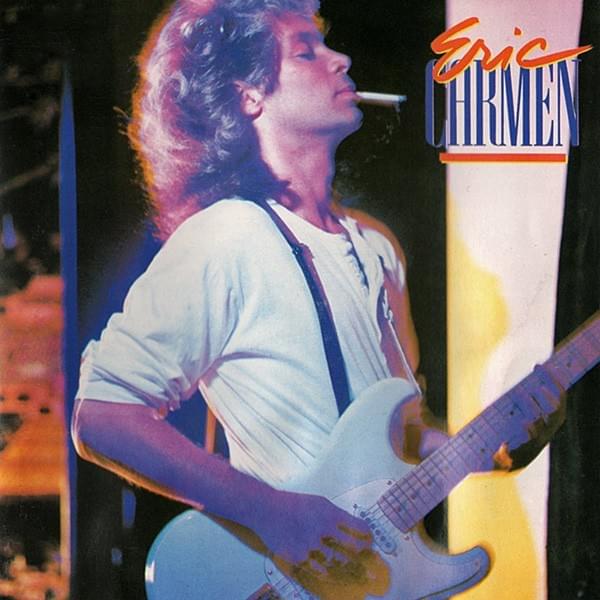
 View Artist