Song Meaning
Eric Burdon's "River Is Rising" is less a straightforward narrative and more a fever dream steeped in biblical allusion and impending doom. The opening lines immediately plunge us into Genesis, evoking a world on the brink of creation or, perhaps more ominously, destruction. This sets the stage for a song that feels less like a story and more like an apocalyptic vision, where even the mundane—a broken swamp cooler, a king's afternoon nap—is colored by a sense of unease. The plea, "Oh lord, please don't put a cross upon my door," hints at a personal reckoning, a fear of being marked for some unknown fate as the titular river relentlessly climbs. Is it a literal flood? Or a metaphor for some unstoppable force, be it societal collapse, personal crisis, or the inescapable march of time?
The recurring chorus, "The river is rising," acts as both a warning and a hypnotic mantra, driving home the feeling of helplessness in the face of something immense and uncontrollable. The image of being carried away to "another world" suggests a desire for escape, a longing for transcendence or oblivion. The details of King Antoine's disrupted routine – the broken TV, the untimely awakening – underscore the universality of the chaos. Even royalty is not immune to the rising tide. These small, almost surreal details amplify the sense of dread; the world is subtly, irrevocably changing, and no one is safe.
Ultimately, “River Is Rising” reads as a potent allegory for the anxieties of our time. Whether interpreted as a commentary on climate change, political upheaval, or simply the existential dread of mortality, the song’s power lies in its ability to tap into our primal fears. The final image of the king "nailed to the piano" is particularly striking. Is he a victim of the flood, or a symbol of the artist, forever bound to his craft even as the world crumbles around him? The ambiguity is the point. Burdon doesn't offer answers; he simply holds a mirror to our collective anxieties and lets the rising river do its work.
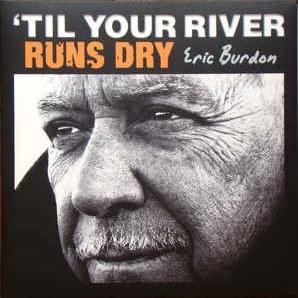
 View Artist