Song Meaning
The narrator extends an invitation to the "Carrboro woman," but it’s laced with a stark honesty about the nature of their connection. He wants company for a journey, acknowledging that his desires might not align with his actual needs. This isn't a conventional romantic overture; it's a proposition for a shared, independent path, emphasizing that whoever joins him must be prepared for solitude within their togetherness. He makes it clear he's not equipped for codependency, stating, "I'm no good at riding side by side." The core of his offer is a mutual acknowledgment of separateness: "You ain't my woman / And woman, I am not your man."
This tension between wanting companionship and asserting independence drives the narrative. The narrator grapples with the idea of belonging, suggesting a universal, unseen force that connects everything, yet simultaneously highlighting individual autonomy. He observes a "wounded beast" with its "heart held in her hand," a potent image of vulnerability and impending loss. This encounter seems to inform his perspective on the invitation, posing a question about the futility of trying to save something destined to fade, mirroring the transient nature of human connection he's presenting.
The most striking craft element is the persistent, almost ritualistic repetition of the disclaimer, "You ain't my woman / And woman, I am not your man." This refrain acts as an anchor, grounding the abstract notions of belonging and shared experience in a concrete reality of non-possession. It’s a deliberate framing device that prevents the invitation from being misconstrued as a promise of traditional romance, instead defining it as a temporary, unburdened alliance. The lyrics suggest that true understanding comes from accepting these boundaries, not from trying to erase them.
Ultimately, the effectiveness of these lyrics lies in their unflinching portrayal of a specific kind of human need – the desire for shared experience without the weight of expectation or ownership. The narrator’s vulnerability isn't in expressing deep affection, but in admitting his limitations and his need for someone to witness his path, even if they aren't walking it with him in a conventional sense. The imagery of the wounded beast and the call to "walk with me" create a poignant, if melancholic, picture of connection found in mutual, independent journeys.
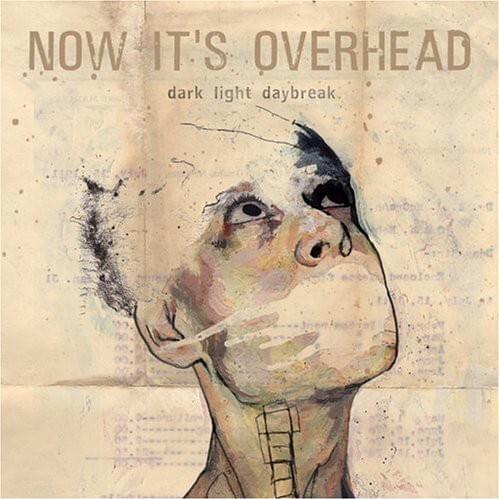
 View Artist