Song Meaning
This song paints a picture of the devoted lover, the 'aşık,' who finds their ultimate purpose in their beloved. The lyrics suggest this devotion transcends earthly concerns, even religious ones, as the lover is willing to abandon 'Kıbleden, Kâbeden, dinden' (from the Qibla, from the Kaaba, from religion) for their passion. It's a profound sacrifice, a willingness to 'geçermiş' – to pass through, to let go of – everything for the sake of love.
The central tension lies in the dual nature of this love: it's both a wound and a balm, 'hem yaradır hem yaraya merhem.' The lover embraces the pain, finding solace in the beloved's suffering, even offering their own life ('Ser dense maşuğun yarasına em'). This isn't a gentle affection; it's an all-consuming force that demands complete surrender of the self ('tenden geçermiş').
The lyrics employ striking imagery to convey this intensity. The lover sees 'sevda karası' (the blackness of love) as pure white in their eyes, and the beloved's cruelty ('yarin cefası') brings them joy. Even the allure of worldly pleasures ('dünya sefası') is beneath their notice, as they 'yandan geçеrmiş' – they pass by it dismissively. This elevated perspective highlights the lover's detachment from the mundane.
Ultimately, the effectiveness of these lyrics stems from their unflinching portrayal of extreme devotion. The repeated idea that the lover 'geçermiş' – passes through, lets go – of fundamental aspects of life, from faith to worldly goods, underscores the depth of their commitment. The final lines, describing separation as a world turned into a prison ('Dünyası başına zindan geçermiş'), powerfully illustrate the lover's absolute dependence on the beloved's presence for their very existence.
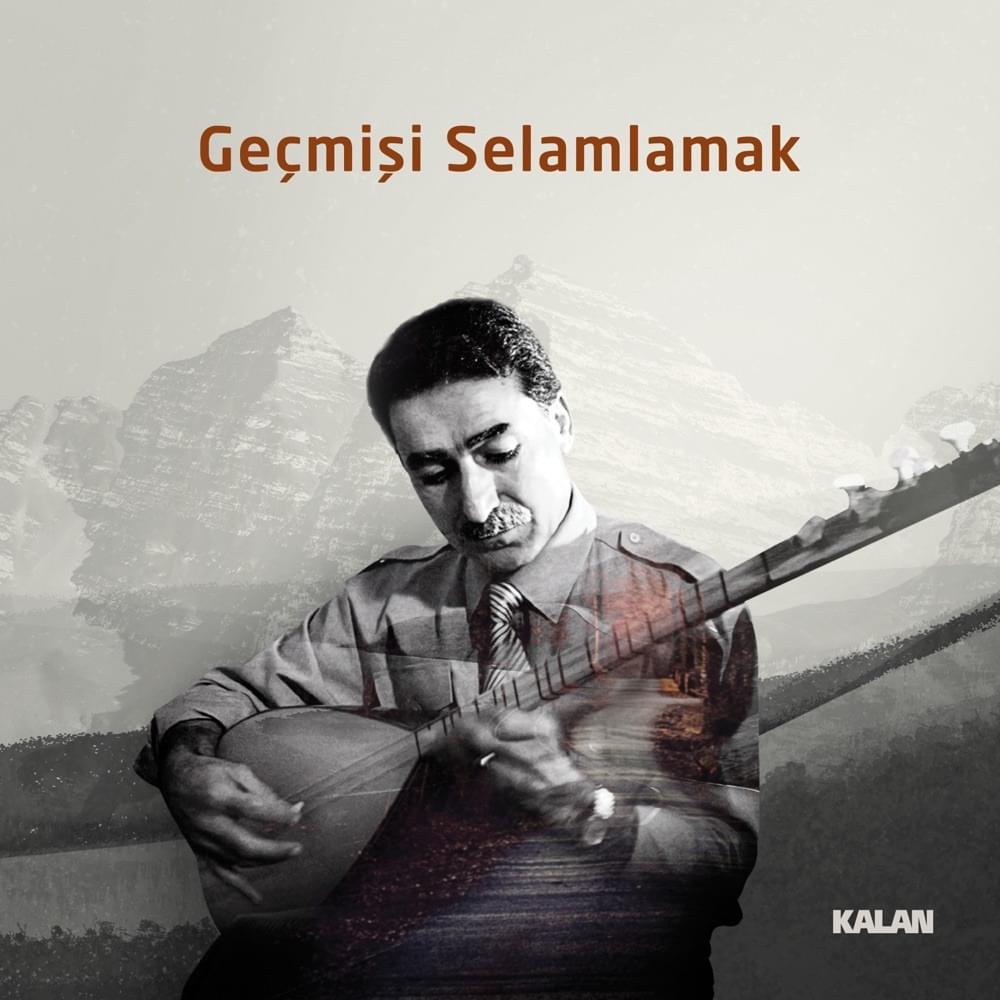
 View Artist