Song Meaning
The narrator admits to being a "sucker for love," but with a twist: they embrace the "artificial" aspects of it, even acknowledging a tendency to "hit you" below the belt. This suggests a complex, perhaps self-destructive relationship with love, where the pain is almost as integral as the pleasure. The core tension arises from the desperate need for love, even a flawed version, because the alternative is a desolate, frozen existence: "for without love hell freezes over."
The lyrics repeatedly emphasize a desire for a love that is improving, hammering home the phrase "The love we have is for the better now" four times in a row. This repetition acts as an incantation, a desperate plea or a self-convincing mantra. It highlights the narrator's commitment to this relationship, even as they confess to its less-than-ideal qualities and their own problematic behaviors. The world they share, the narrator insists, is "not pretending," implying a raw, perhaps uncomfortable authenticity beneath the surface.
There's a fascinating push-and-pull in what the narrator wants returned: "calling cards and vices," "dignity and romance novels," "photographs," "residence and cool emotion." These items represent both the superficial markers of a relationship and the deeper emotional components. The desire to reclaim these things, especially the "cool emotion," while simultaneously admitting to hitting below the belt, paints a picture of someone trying to regain control and perhaps a semblance of self-respect within a chaotic emotional landscape. The narrator's willingness to be there when the other person goes "AWOL" further underscores this complex mix of dependence and devotion.
Ultimately, the effectiveness of these lyrics lies in their unflinching portrayal of a flawed individual who recognizes their own shortcomings but cannot escape the fundamental human need for connection. The narrator isn't seeking a perfect love, but rather *any* love that prevents their world from freezing over. The repeated affirmation of the love is improving, despite all evidence to the contrary, creates a poignant and relatable portrait of someone clinging to hope in the face of their own destructive tendencies.
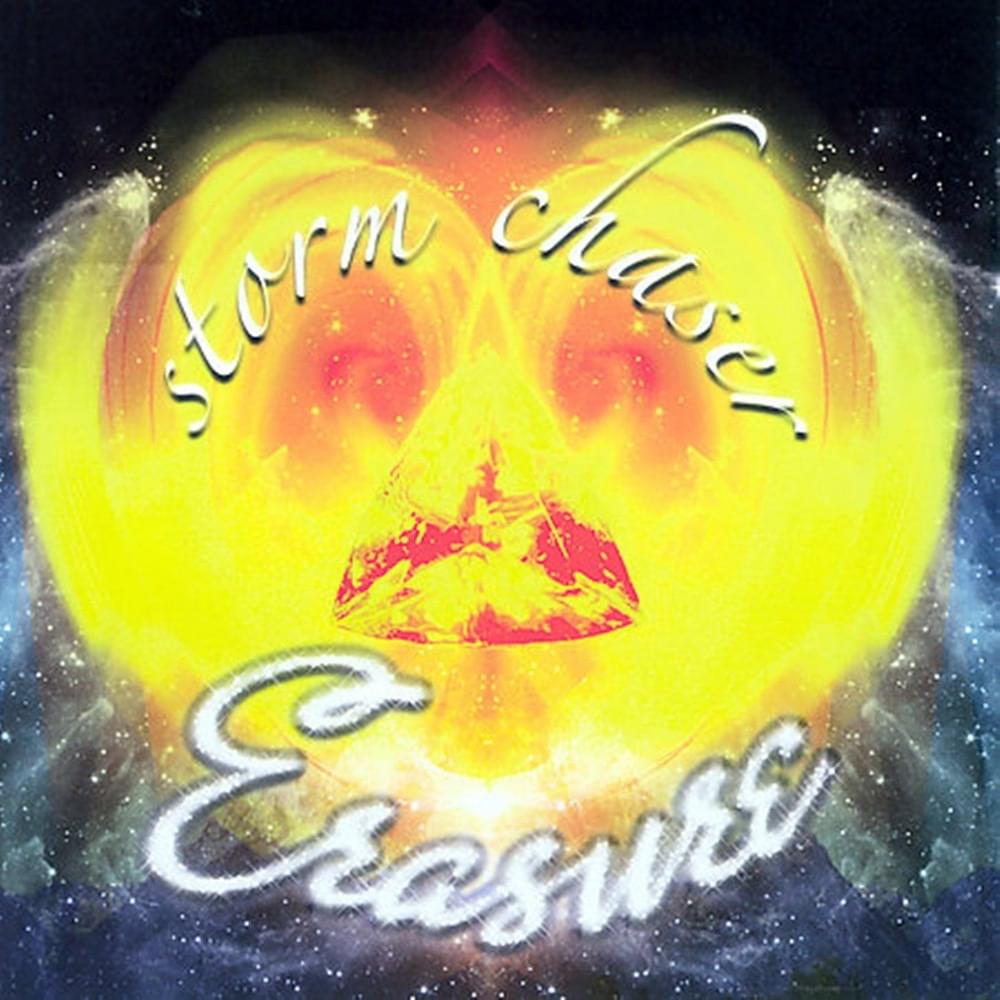
 View Artist