Song Meaning
The lyrics paint a serene picture of morning routines and simple affections. The narrator associates specific colors – yellow for a lover's hair, blue for the sky, and green for corn – with the beauty of the early day. This repeated imagery grounds the abstract concept of love in tangible, natural elements, creating a sense of peaceful contentment. The phrase "In the mornin' when we rise" anchors these observations to a shared, gentle beginning to each day.
The central tension, subtle as it is, lies in the contrast between the external world and the internal feeling it evokes. While the colors and the morning itself are presented as objective realities, the narrator's profound appreciation for "the time" they experience these things suggests a deep, personal connection. This appreciation culminates in the final verse, where "freedom" is directly linked to the experience of being loved, elevating the simple morning moments to a profound state of being.
The most striking aspect of the craft is the almost hypnotic repetition of "In the mornin' when we rise" and "That's the time, that's the time I love the best." This structure doesn't just emphasize the narrator's joy; it mimics the steady, comforting rhythm of a peaceful existence. The shift from concrete colors to the abstract feeling of "mellow" and then to the profound concept of "freedom" shows a progression of emotional depth, all stemming from these cherished morning moments.
These lyrics resonate because they capture a universal human desire for peace and connection, expressed through accessible, natural imagery. The deliberate simplicity and the gentle cadence of the language create an atmosphere of profound calm. By tying feelings of love and freedom to the quiet beauty of a shared morning, the song offers a powerful reminder that profound happiness can be found in the most ordinary, yet deeply cherished, moments.
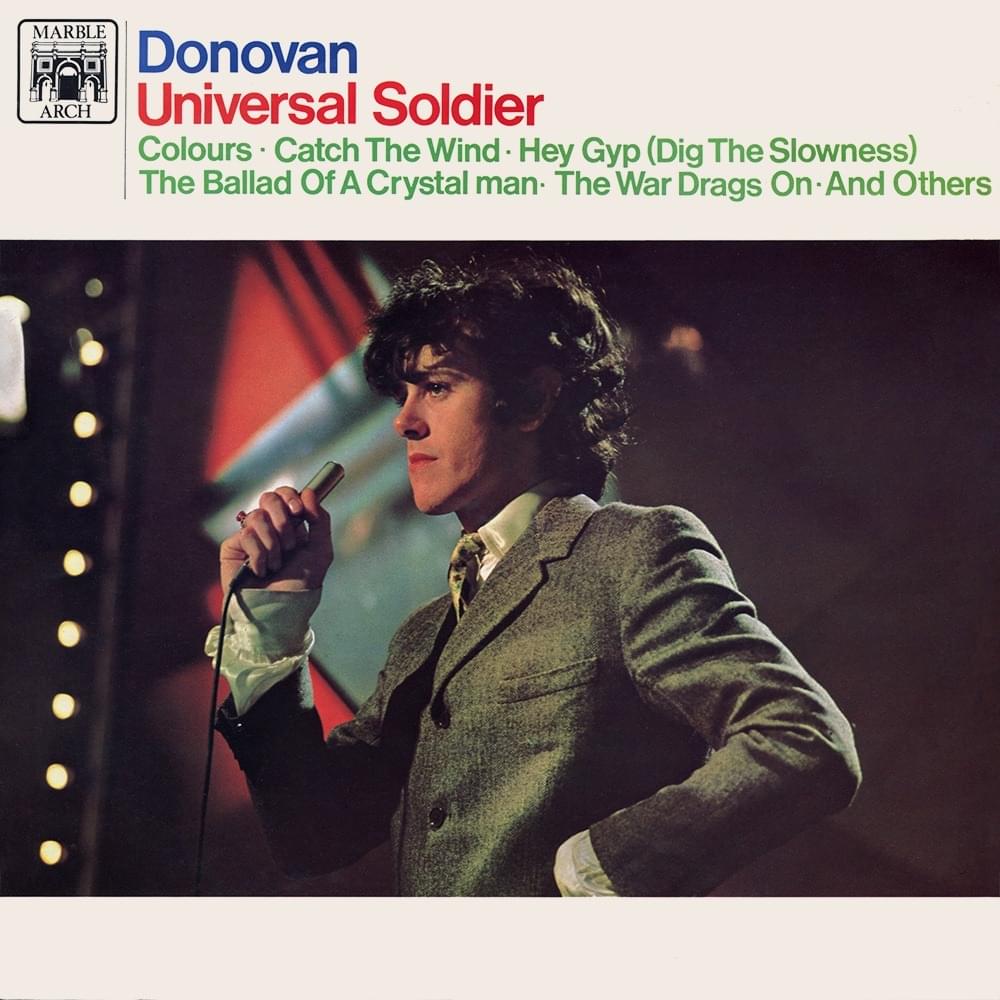
 View Artist