Song Meaning
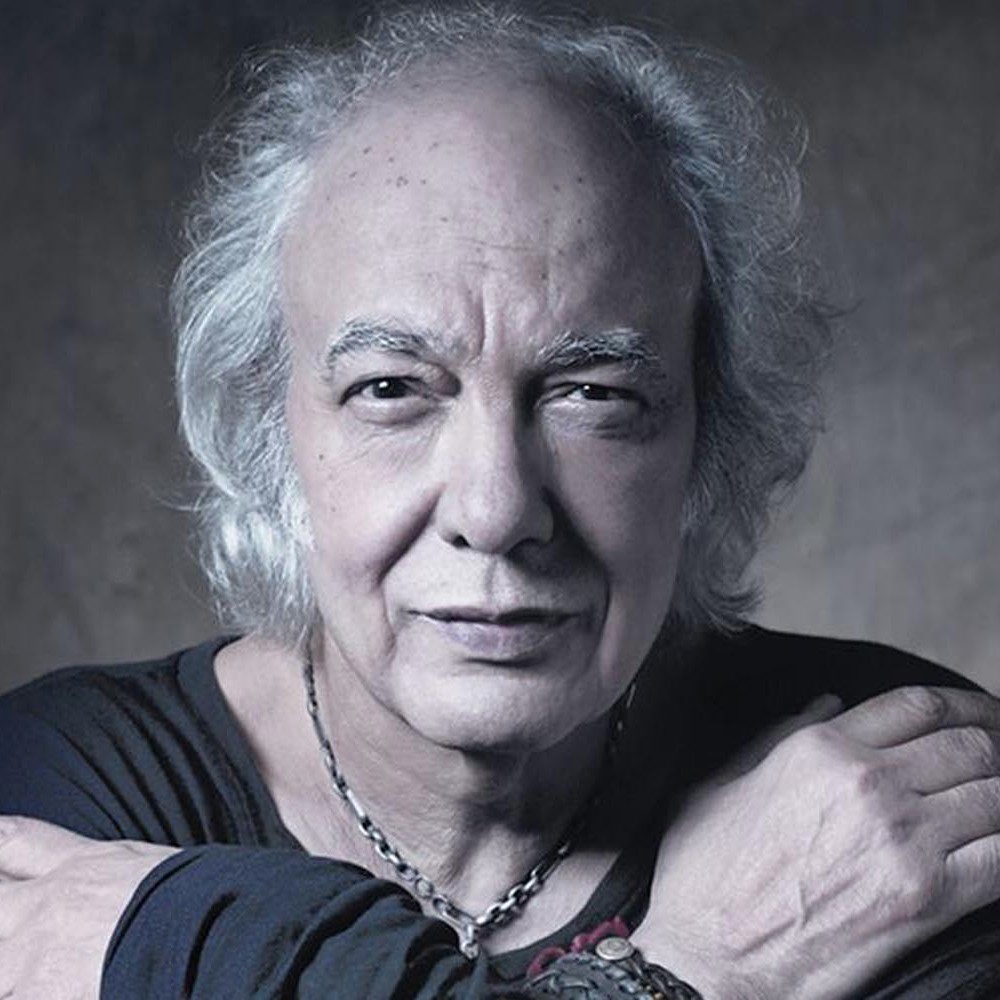
Erasmo Carlos, a cornerstone of Brazilian rock and roll, lays bare the aching vulnerability that follows love's departure in "Pra Falar De Amor." The song isn't a grand, theatrical lament, but rather an intimate confession whispered in the aftermath of a relationship. Carlos navigates the turbulent waters of grief, acknowledging the "tristeza sem fim" that resides within. There's a weary resignation in his voice, a sense that finding inner peace is a prerequisite not just for happiness, but for simply processing the emotional fallout. The repeated phrase "pra sorrir ou chorar, tanto faz" suggests an emotional numbness, a flattening of affect that often accompanies deep sorrow.
The core of "Pra Falar De Amor" revolves around the desire for reconnection, not necessarily for reconciliation, but for closure. The repeated line, "Ai, como eu gostaria de te encontrar / Pra falar de amor, pra falar..." becomes a mantra, a yearning for a conversation that might provide some measure of solace. It's significant that the desire is simply "pra falar de amor" – to speak *about* love, to dissect its anatomy, to understand where things went wrong. This isn't necessarily a plea for a second chance; it's a need to understand the first.
Carlos captures the cyclical nature of grief with the lines "Ontem pensei que estaria melhor / Sem você, sem nós dois / Poderia viver." The illusion of progress, the fleeting belief that healing is possible, is quickly shattered by the resurfacing "vontade de ser novamente seu par." The past, with its memories and shared experiences, exerts a powerful pull, making it difficult to move forward. "Pra Falar De Amor" encapsulates the universal experience of heartbreak, the struggle to reconcile the idealized memory of a relationship with the painful reality of its ending.
 View Artist