Song Meaning
Erasmo Carlos's "No Tempo da Vovó" isn't just a nostalgic trip down memory lane; it's a wry, almost subversive peek into the complexities of love, fidelity, and the ever-watchful eye of tradition. The song's surface simplicity—a grandson's curiosity about his grandparents' relationship—belies a deeper exploration of societal expectations and the performative aspects of monogamy. He playfully wonders if his grandfather, in "the time of grandma," ever strayed, immediately framing the question within a context of potential transgression and hidden desires. The seemingly innocent question hints at a universal fascination with the 'real' stories behind idealized relationships.
The lyrics paint a vivid picture of a grandfather labeled as "assanhado" (randy or frisky), constantly shadowed by his grandmother. This image isn't presented as oppressive, but rather as a humorous, almost necessary check on his wandering eye. The grandmother's threat of a "chinelo" (slipper) to the head becomes a symbol of female agency and the active maintenance of a relationship within the constraints of social norms. It's a far cry from a passive, docile figure; she's a force to be reckoned with, ensuring her husband's devotion, whether through love or playful intimidation.
Ultimately, "No Tempo da Vovó" cleverly uses the lens of familial history to comment on the timeless dance between desire, societal pressure, and the enduring power of love—however imperfectly it might be expressed. It suggests that even within seemingly traditional relationships, there's room for individual quirks, playful power dynamics, and a healthy dose of humor. Erasmo Carlos doesn't offer judgment, but rather a knowing smile, acknowledging the messy, human realities that lie beneath the polished surface of "happily ever after."
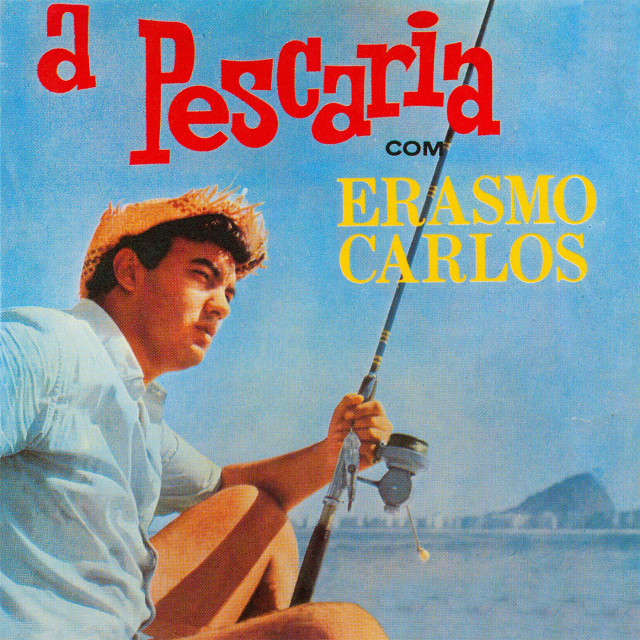
 View Artist