Song Meaning
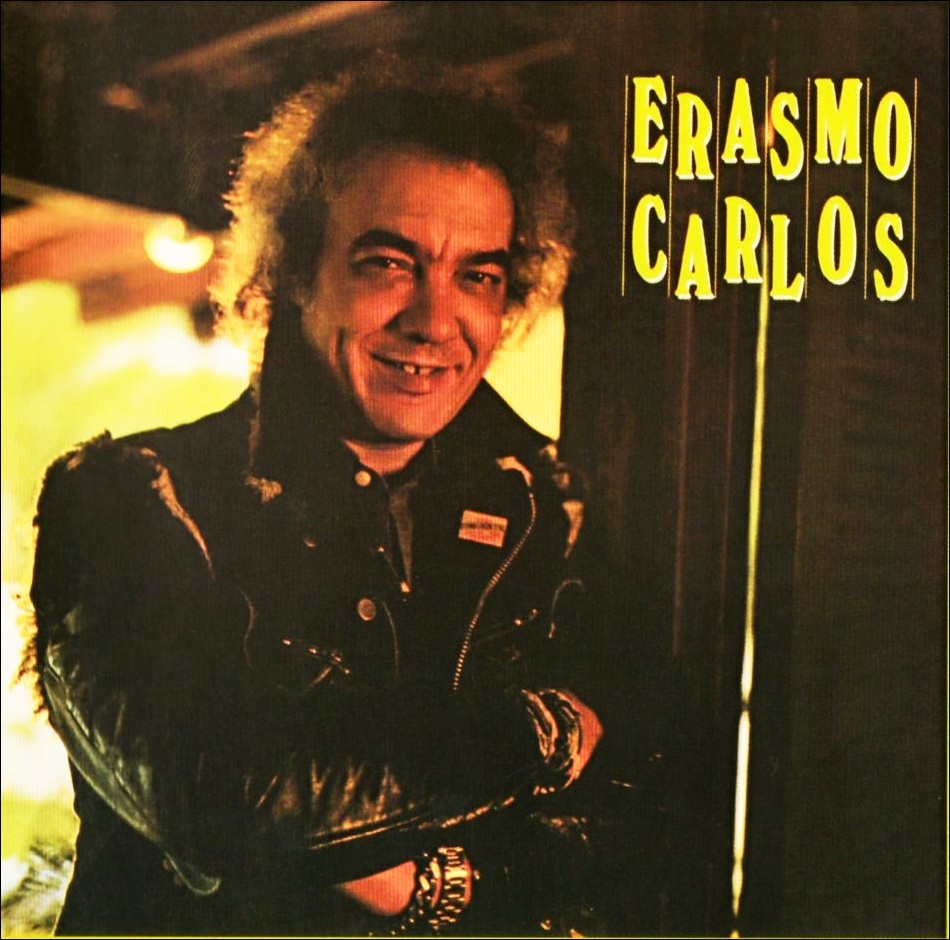
Erasmo Carlos, a cornerstone of Brazilian rock, delves into the agony of fractured connection in "Nação Dividida." The song isn't simply about romantic longing; it's a raw dissection of internal conflict mirrored in a lover's fragmented self. The opening lines, "Você pela metade eu não quero / Só serve inteira," set a demand for wholeness, a refusal to settle for a partial offering of affection. This immediately positions the narrator as someone unwilling to engage with a partner wrestling with their own demons. The core metaphor, comparing the beloved to "uma nação dividida / Pela ferida," elevates the personal to a societal level, suggesting deep wounds and unresolved trauma are at play.
The lyrics move beyond simple desire, venturing into existential frustration. The stanza beginning with "Detesto a idéia" speaks to a profound disconnect. Being near, but not truly connected ("Tão perto da abelha / Sem saber do mel"), is a torment. This feeling extends to a yearning for transcendence that remains just out of reach ("Estar lá em cima / E não estar no céu"). This paints a picture of a relationship stymied by an inability to fully embrace intimacy and vulnerability.
Ultimately, "Nação Dividida" finds a glimmer of hope in the act of reunification. The singer recognizes that the beloved's fractured state impacts their own sense of self. The final verse, "Só Juntando suas partes de novo / Reúno meus pedaços / E fico inteiro pra você," suggests a codependent yet deeply empathetic desire to heal together. The song's meaning resides in this complex interplay: the pain of incomplete love, the recognition of shared brokenness, and the tentative belief that mutual healing is possible, even if it requires confronting profound internal divisions.
 View Artist