Song Meaning
Erasmo Carlos's "Largo da Segunda-feira" unfurls as a wistful stroll down memory lane, less a linear narrative and more a fragmented mosaic of sensory recollections. The titular "Largo da Segunda-feira" (Monday Square) serves as both a physical location and a symbolic anchor, grounding the listener in a specific, yet universally relatable, past. The lyrics, though simple, evoke a potent sense of nostalgia, hinting at a time of innocence and carefree abandon. References to cats, parakeets, and planting "folia" (festivity/revelry) paint a picture of a vibrant, almost bohemian, domestic life, where joy and playfulness were the norm.
However, lurking beneath the surface of these idyllic images are subtle suggestions of a more complex reality. The "Alçapões armados no meu quintal" (traps set in my backyard) introduce a note of paranoia or perhaps a recognition of life's inherent dangers, even within the sanctuary of home. The juxtaposition of "surdo e fantasia no carnaval" (deafness and fantasy at Carnival) hints at a disconnect, a sense of being both immersed in and detached from the surrounding chaos. These contrasting elements suggest a childhood marked by both joy and underlying anxiety, a common experience that resonates deeply.
The latter half of the song continues this pattern, weaving together seemingly disparate images: "Matoso, Praça da Bandeira," sugarcane juice, weekend outings, the burning of Judas, and "banhos de cuia" (gourd baths). These fragmented memories, punctuated by the repeated phrase "E era normal..." (And it was normal...), highlight the subjective nature of experience. What may seem mundane or even bizarre to an outsider is presented as an integral part of the singer's personal history. Ultimately, “Largo da Segunda-feira” is a poignant meditation on the enduring power of memory, the bittersweet nature of nostalgia, and the way in which seemingly ordinary moments can shape our understanding of self.
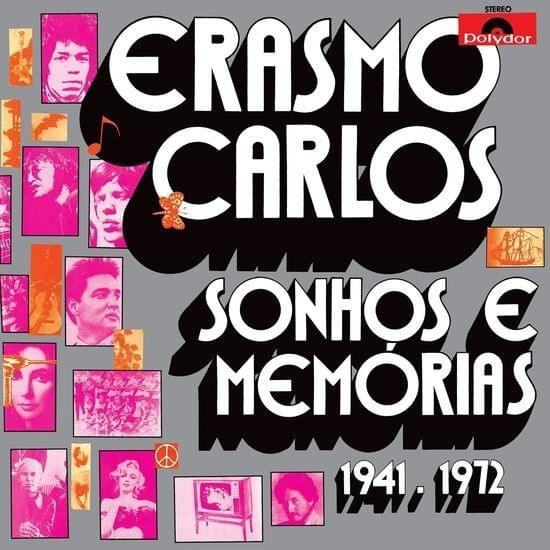
 View Artist