Song Meaning
Erasmo Carlos, a cornerstone of Brazilian rock, crafts a deceptively simple longing in "Em Busca Das Canções Perdidas Nº 2." The song, at its core, acts as a sonic yearning for an idealized space – a sanctuary untouched by the harsh realities of life. The lyrics paint a vivid picture of this haven: a place where colors possess sound, flowers stroll freely, and, most crucially, pain finds no entry. This isn't just escapism; it's a primal desire for a world aligned with beauty and free from suffering, tapping into a universal human need. The repetition of "Lá..." (There...) establishes both the distance and the allure of this imagined realm, inviting the listener to join in the search.
The chorus functions as a direct plea, pushing the wistful imagery into a pointed question: "E a tristeza não vai / Onde a beleza se esconde / Ah, me responde onde é" (And sadness doesn't go / Where beauty hides / Ah, tell me where it is). This isn't a passive observation; it's an active quest for knowledge, a desperate attempt to locate this refuge. The question itself underscores the song's central theme – the search for solace in a world often defined by its absence. It highlights the paradoxical nature of beauty; it exists, but it's often hidden, inaccessible, demanding to be found.
Ultimately, the song's meaning lies in its open-endedness. It's not about finding a literal location but about the enduring human drive to seek out spaces, both internal and external, where beauty and joy can thrive, and where the echoes of "lost songs" might still resonate. It acknowledges the inherent sadness of the human condition while simultaneously clinging to the hope that such a place, however elusive, exists. The song’s emotional resonance stems from this tension – the push and pull between the world as it is and the world as we wish it could be.
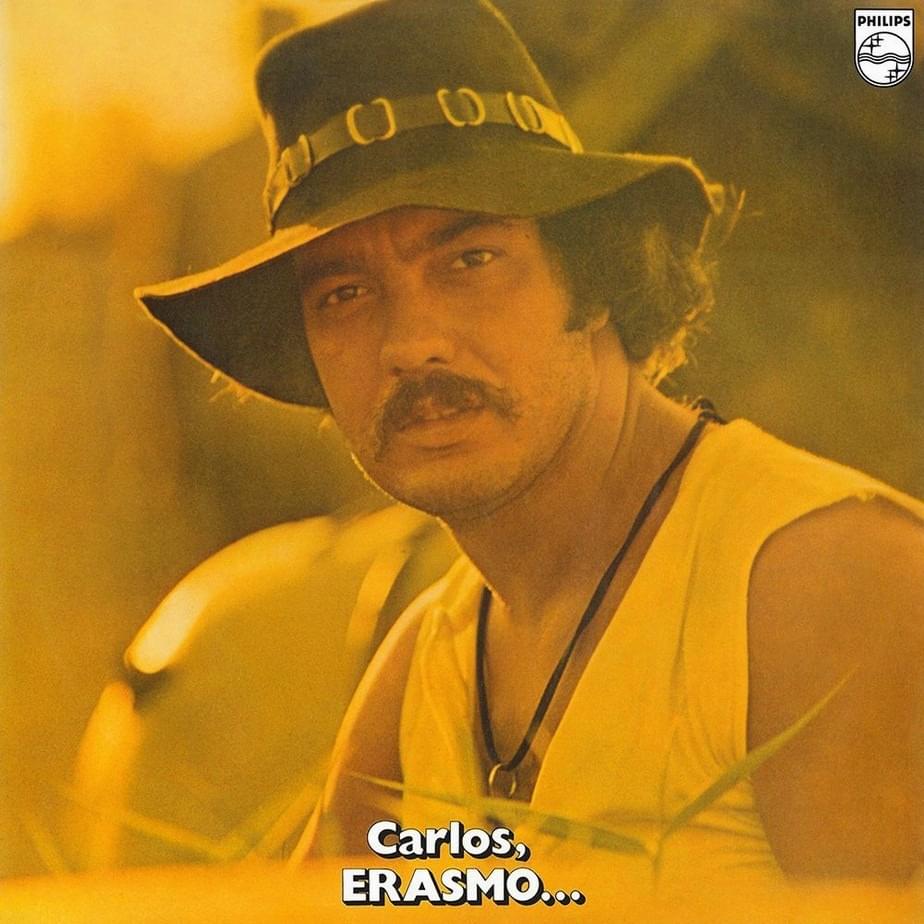
 View Artist