Song Meaning
Erasmo Carlos's "Cover" isn't a lament, but a declaration. He's not singing about imitation as artistic failure, but as a form of self-possession. The lyrics drip with a playful, almost defiant, acceptance of being a reflection – specifically, *his own* reflection. The opening lines, "Cover eu sou um cover gosto de ser assim / Cover eu sou meu cover / Cover, cover de mim," establish this immediately. He's not a copy of someone else; he's a "cover of himself." This flips the script on the traditional understanding of a cover song, transforming it into an act of radical self-acceptance.
The song meaning deepens with the lines "Sou meu cover sou o meu espelho / Sempre atento a tudo que eu faço / Sou a copia fiel da minha imagem." He is both the performer and the audience, constantly observing and replicating his own actions. This creates a fascinating feedback loop, where the self is both the source and the subject of imitation. It raises questions about authenticity and identity: if we are all, to some extent, performing versions of ourselves, is there an 'original' self to begin with? Carlos seems to suggest that the performance *is* the self, a continuous act of mirroring and recreating.
The latter half of the lyrics analysis acknowledges the broader world of cover artists – Roberto Carlos, Elvis, Michael Jackson, The Beatles, Raul Seixas – but always returns to the core concept: "Cover eu sou um cover gosto de ser assim." It's a reiteration of his unique position. He sings what he sings with his own words, loves what he loves with the same love. This almost tautological phrasing reinforces the idea that even in imitation, there is a core of selfhood that remains untouched. The final, repetitive chanting of "Cover de mim" drives the point home. In a world saturated with copies and imitations, Erasmo Carlos stakes his claim to being the ultimate cover artist – of himself.
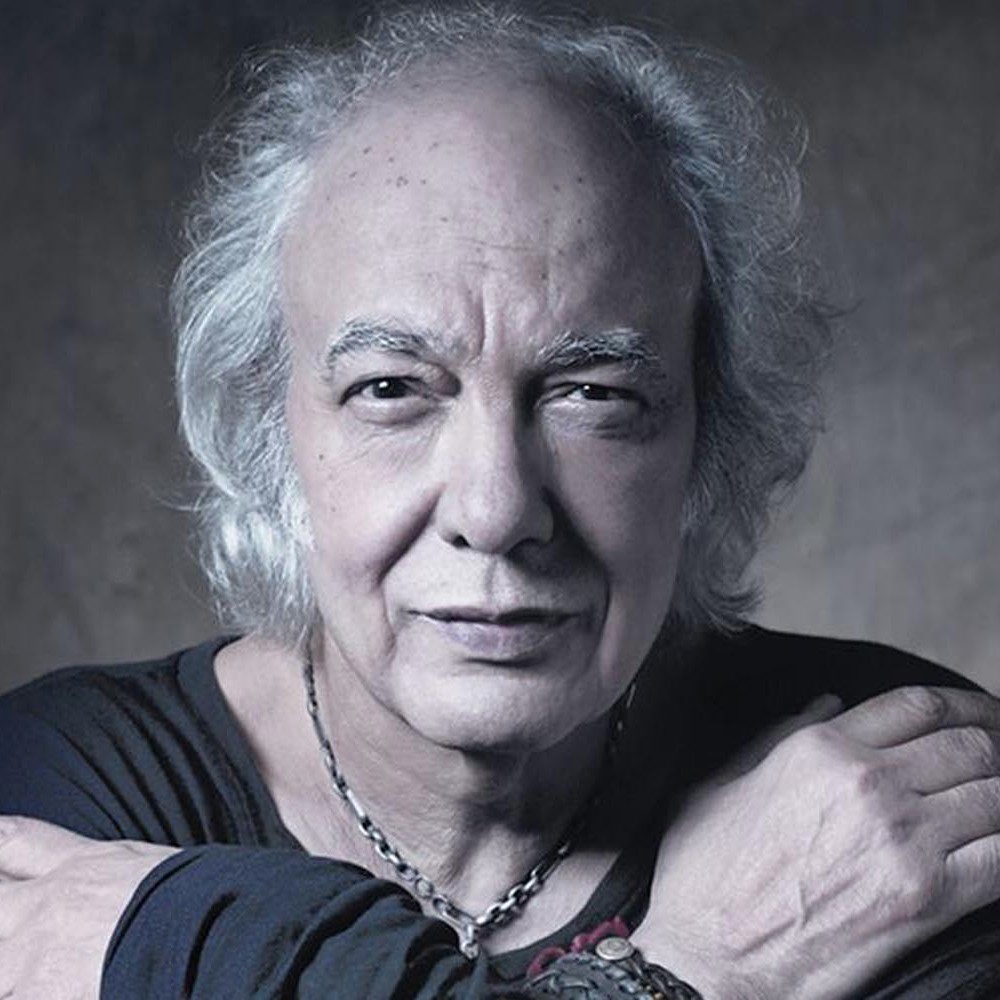
 View Artist