Song Meaning
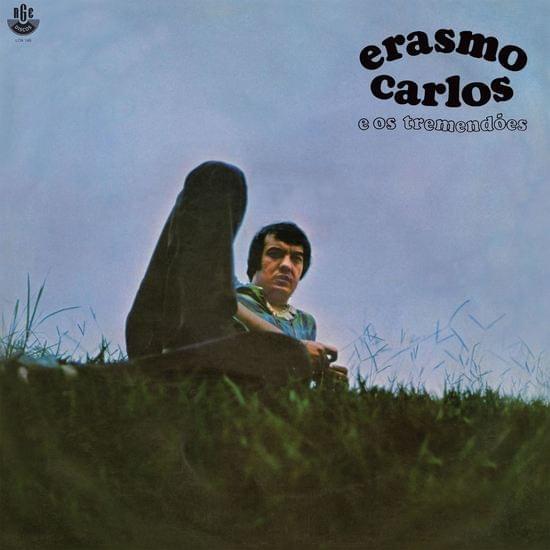
Erasmo Carlos's rendition of "Aquarela do Brasil" isn't just a song; it's a vivid, sonic painting of Brazilian identity, imbued with a deep sense of longing and belonging. The repeated invocation of "Brasil! Brasil!" functions as both a proud declaration and a yearning call, tapping into a collective national consciousness. The lyrics evoke a romanticized vision of Brazil, a land of samba, swaying hips, and moonlit nights, but the true depth lies in its subtle acknowledgment of the nation's complex history. The lyrics such as "Abre a cortina do passado/Tira a mãe preta do cerrado/Bota o rei congo no congado" suggest a conscious effort to confront and celebrate the African roots deeply intertwined with Brazilian culture, even if presented through a nostalgic lens. This is not mere patriotic fervor; it's a complex emotional tapestry.
The song uses potent imagery to construct its vision. The "mulato inzoneiro" and "morena sestrosa" evoke a sense of playful sensuality, while the mention of "mãe preta" (black mother) hints at the maternal, nurturing spirit of the land. The contrast between the "salões arrastando/O seu vestido rendado" and the simple pleasures of "coqueiro que dá coco" illustrates the diverse social fabric of Brazil, from its opulent traditions to its humble, everyday joys. The recurring motif of water – "fontes murmurantes," "sede," "luar" – symbolizes both the life-giving force of nature and the emotional currents that run deep within the Brazilian psyche. This is about more than just geographical beauty; it’s about a spiritual connection to the land.
Ultimately, Erasmo Carlos’s performance amplifies the song's inherent tension between celebration and saudade (a uniquely Brazilian form of longing). It’s a recognition of both the beauty and the pain embedded in the nation's history. The repetition of "Pra mim" (for me) personalizes the experience, suggesting that this vision of Brazil, with all its complexities, is deeply intimate and meaningful to the singer. The song becomes a personal declaration of love, a claiming of identity, and a powerful reminder of the enduring spirit of Brazil. It’s a musical snapshot of national identity, filtered through the lens of personal affection and historical awareness.
 View Artist