Song Meaning
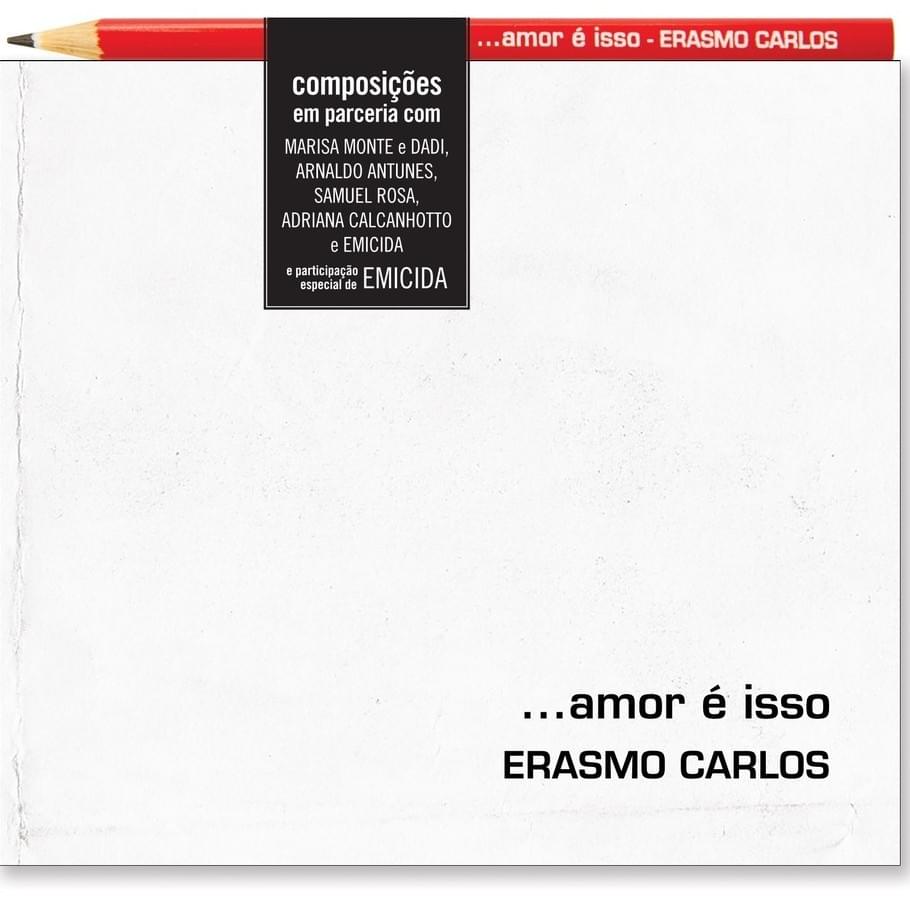
Erasmo Carlos, a cornerstone of Brazilian rock, dives headfirst into the enigma of 'Amor é Isso,' a song less about defining love and more about surrendering to its multifaceted nature. The lyrics, delivered in Carlos's signature gravelly tone, paint love as a paradox: 'a joy of light, the orgasm of art,' juxtaposed with 'a dream, a burning in the soul, a pain, a luck.' It's not a Hallmark card sentiment; it's a raw, visceral experience. He avoids easy answers, instead presenting a kaleidoscope of images that capture love's ability to be both transcendent and deeply human.
The song meaning resides in its embrace of contradiction. Carlos sings of love as being 'more than a selfish and possessive offering,' hinting at the possessiveness that often masquerades as love. He elevates it to 'a lullaby in raw flesh,' a tender comfort amidst life's harsh realities. The repeated line, 'Since I knew that life was a great spell,' suggests that love is inextricably linked to the magic and illusion inherent in existence. The 'heat of the earth showing service' evokes a primal, almost animalistic connection, grounding the ethereal aspects of love in something tangible and elemental.
The chorus reinforces this sense of wonder and bewilderment. Love is 'the father of affection,' 'the euphoria of the winds in the birth of flowers,' and 'the eighth color of the rainbow of the jungle of horrors.' This last image is particularly striking, acknowledging the darkness and chaos that can coexist with love's beauty. The carousel metaphor in the second chorus – 'the emotion of surrender, the reason for the toy' – encapsulates the dizzying, exhilarating, and sometimes disorienting nature of love. Ultimately, 'Amor é Isso' doesn't offer a neat definition, but rather an invitation to experience love in all its messy, glorious complexity. Erasmo Carlos urges us to 'swear to the world that love is this,' this unquantifiable, all-encompassing force that shapes our lives.
 View Artist