Song Meaning
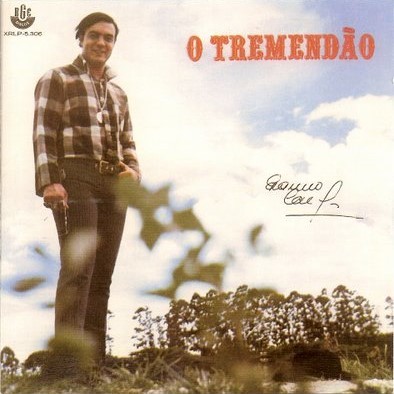
Erasmo Carlos, a cornerstone of Brazilian rock and roll, distills heartache to its purest form in "A Grande Mágoa." The song isn't a narrative so much as a sustained emotional state, a raw, almost unbearable lament. The "grande mágoa," the great sorrow, isn't something that happened; it's a persistent presence, "shouting within me." This internal scream speaks to the way deep emotional pain can become an inescapable part of one's being, a constant companion. The lyrics avoid specifics, amplifying the universality of the experience. It's not *what* went wrong, but the enduring *feeling* of wrongness that consumes.
The core of the song's meaning resides in the simple, repetitive lines: "Meu grande mal / Foi ver você / Me apaixonar / E depois sofrer" (My great misfortune / Was seeing you / Making me fall in love / And then suffer). It’s the classic vulnerability hangover, the regret of opening oneself up to love, only to be wounded. The repetition drills the point home: the speaker isn't just sad; he's trapped in a loop of regret, forever replaying the moment of initial infatuation and the subsequent pain. The cyclical nature of the lyrics mirrors the cyclical nature of grief itself.
The question, "Será que você / Sofre um pouquinho também?" (Could it be that you / Suffer a little too?) is perhaps the most poignant line. It's not a demand for equal suffering, but a desperate plea for connection, a faint hope that the other person might understand the depth of the speaker's pain. The nights spent dreaming and days spent waiting emphasize the inertia of heartbreak, the feeling of being stuck in time, unable to move forward. Ultimately, "A Grande Mágoa" is a portrait of lingering, unresolved grief, a testament to the enduring power of love and loss to shape our inner landscape.
 View Artist