Song Meaning
The lyrics paint a stark picture of a defiant stance, a refusal to engage with someone who might return. The repeated command, "Don't you come back now?" coupled with the unsettling promise, "I'll be you waiting," creates an immediate tension. This isn't a plea for reconciliation; it's a declaration of a fixed position, a chilling readiness for an unwelcome reappearance. The narrator seems to be setting a boundary, albeit one laced with a strange, almost predatory anticipation.
The core conflict lies in this duality of rejection and waiting. The narrator actively pushes someone away yet simultaneously positions themselves as an inevitable presence. The phrase "Don't you turn your eyes?" suggests a desire for the other person to witness this stance, to acknowledge the narrator's resolve. The repetition of "I'll be you waiting" transforms this into an almost inescapable fate for the person being addressed, implying a confrontation is unavoidable if they choose to return.
The inclusion of what appears to be Latin or a similar liturgical language adds a layer of ritualistic gravity. Phrases like "Impera e nessimo" and "Impera samie nero" could suggest a command or a decree, perhaps a self-imposed one, that governs this standoff. The invocation of "Dio" (God) and the unsettling "E mani diavole" (And devil hands) further imbue the scene with a sense of dark, almost spiritual finality, as if this confrontation is preordained or divinely (or infernally) sanctioned.
This lyrical construction is effective because it weaponizes passive waiting. Instead of an active pursuit or a clear departure, the narrator establishes a static, yet potent, presence. The ambiguity of "I'll be you waiting" – is it a threat, a promise, or a statement of fact? – leaves the listener unsettled. The blend of direct address and the foreign-language refrains creates a powerful, almost operatic sense of inescapable consequence, making the narrator's resolve feel both absolute and deeply ominous.
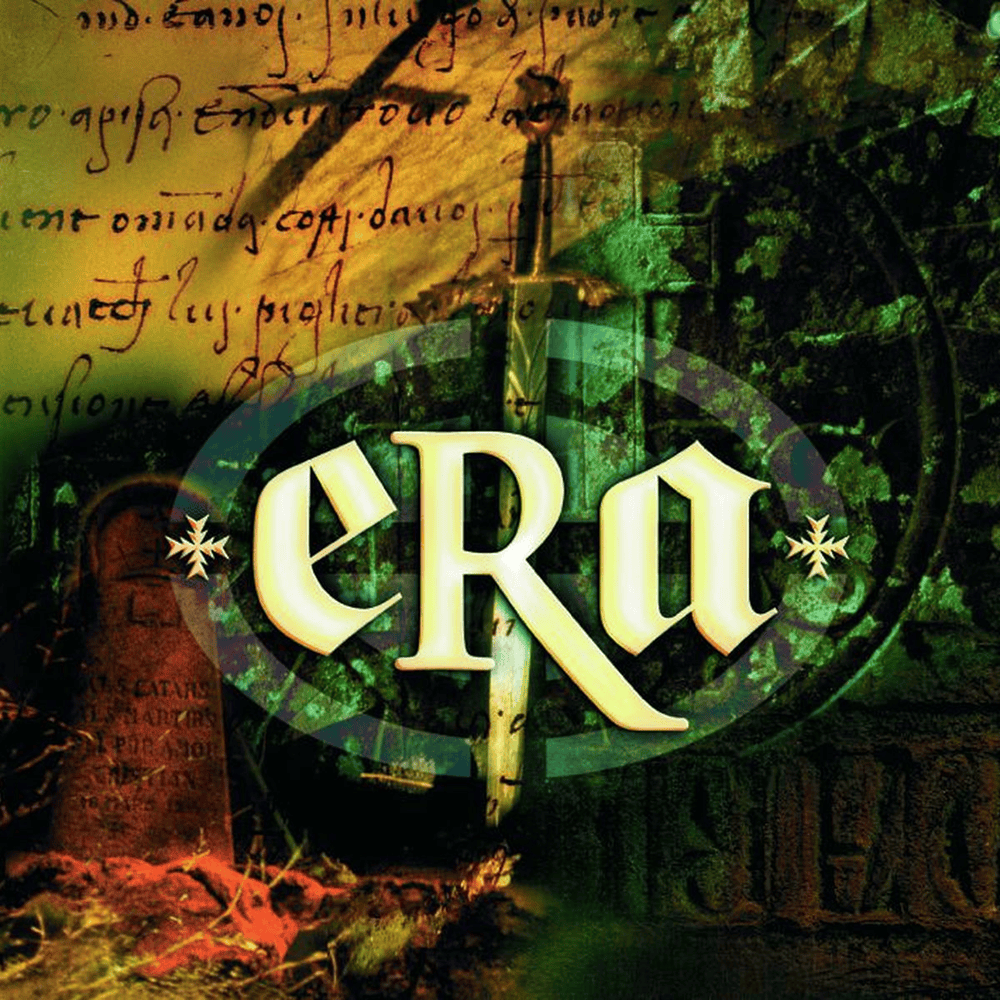
 View Artist