Song Meaning
The lyrics paint a stark picture of a forced march toward conflict, a grim procession across a desolate landscape. There's an immediate sense of vulnerability and resignation, with the narrator noting they are "feeling drained and without shield" and moving "slowly at command." This isn't a chosen path but one dictated by external forces, heading towards a "destination battlefield."
The central tension arises from the internal struggle against an imposed fate. While the external pressure is to suppress emotion and accept the inevitable ("Conseal your fear," "There's no regret"), there's a flicker of defiance. The narrator questions the purpose of the conflict, stating "No reason to fight" and "No reason to kill," even as they acknowledge the surrounding darkness and the potential for self-destruction, described as "Decay of your own carcass."
The most striking shift occurs in the latter half, moving from a collective, passive state to individual agency and a radical act of renunciation. The narrator observes the predatory dynamic ("They are prey") and the internal conflict of knowing "you are not right." Then, a profound decision is made: "I throw my blade out of range." This deliberate discarding of the means of conflict signifies a personal rebellion against the dictated path and a claim to a "day of change."
This shift from passive obedience to active resistance, marked by the rejection of violence, is what gives the lyrics their power. The contrast between the initial sense of being a pawn and the final assertion of free will, even in the face of an "eternally" affecting legacy, creates a compelling narrative of personal liberation. It’s the quiet, decisive act of dropping the weapon that resonates, suggesting that true strength lies not in fighting, but in choosing not to.
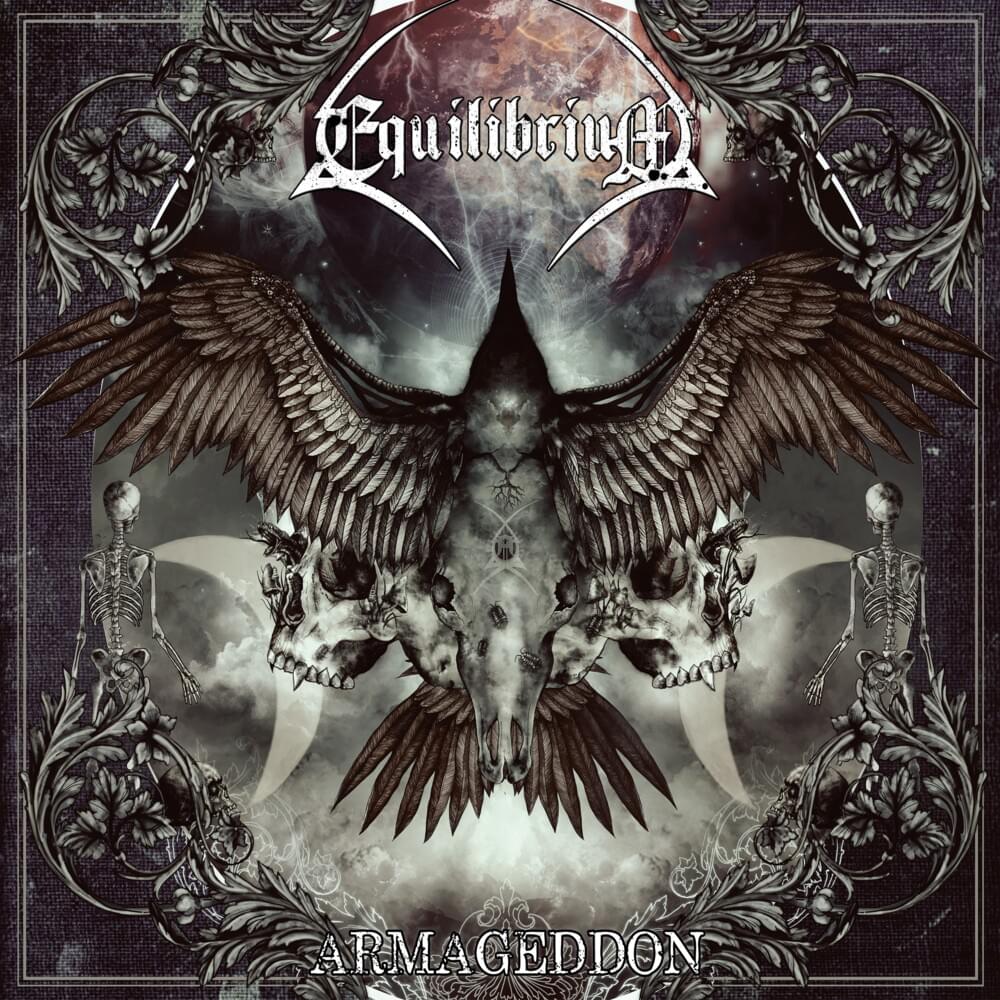
 View Artist