Song Meaning
The lyrics present a defiant stance against a perceived societal expectation, possibly related to military service or a similar obligation. The narrator rejects the idea of being easily manipulated, stating "Meitä nenästä ei vedetä" (We are not led by the nose). There's a clear assertion of agency, with the line "Vain urallasi tahdot edetä" (You only want to get ahead in your career) suggesting a critique of someone else's motivations.
The central tension arises from a conflict between a perceived duty or societal norm and the narrator's alternative path, which involves avoiding certain responsibilities. The concept of "sivari" (civilian service, often an alternative to military service) is central, but the lyrics twist it by suggesting a plan where "Kun sinne päästetä ei ketään" (When no one is let in there), effectively making the alternative itself inaccessible or meaningless. This creates a paradoxical situation where the escape route is closed off.
The most striking element is the repeated, stark phrase "Jää vain raukat rajat" (Only weak borders remain). This phrase is juxtaposed with a hypothetical scenario of extreme violence: "Entä jos sisaresi oisi / Raiskaajan kynsissä" (What if your sister were / In the clutches of a rapist?). The lyrics then question the listener's manhood or identity based on their response to such a situation, contrasting it with the idea of hiding in "sivari" (civilian service). The implication is that avoiding conflict or responsibility leaves one vulnerable, with only "weak borders" left.
This writing is effective because it uses provocative imagery and a confrontational tone to question conventional notions of strength and duty. The repeated phrase "Jää vain raukat rajat" acts as a grim refrain, underscoring the consequences of inaction or avoidance. The unexpected shift to a violent hypothetical, followed by the seemingly detached observation "Mut äitini vain hymyilee" (But my mother just smiles), adds layers of dark irony and emotional complexity, leaving the listener to ponder the narrator's true stance and the societal pressures they are reacting against.
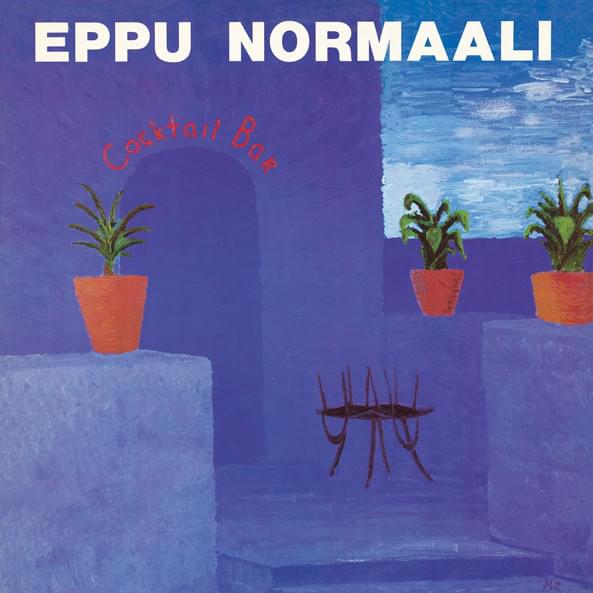
 View Artist